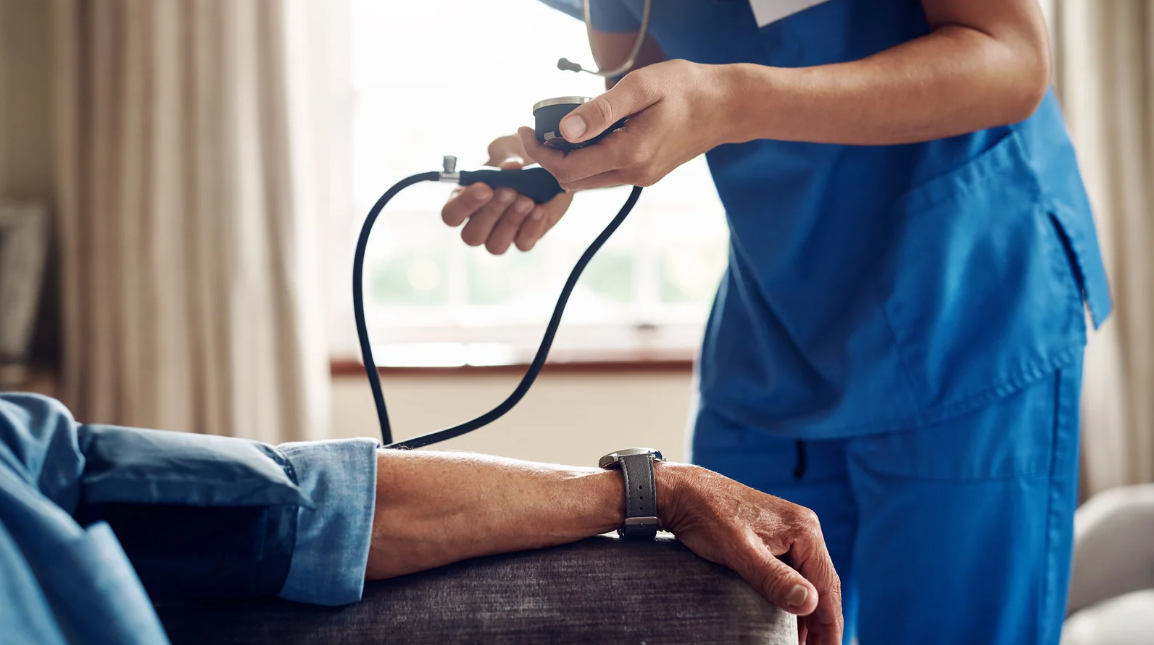
Living with a chronic condition often means navigating a long-term journey filled with adjustments, vigilance, and ongoing care. One of the most underestimated yet powerful tools in managing chronic illness is consistent vital signs monitoring. These simple measurements—often taken in minutes—can reveal critical insights into a patient’s overall health, detect early warning signs, and guide timely interventions that prevent complications.
While vital signs may seem routine, their true value lies in how they are interpreted and acted upon over time. When monitored consistently and accurately, they become a window into the body’s internal state, helping patients and healthcare providers make informed decisions that improve outcomes and enhance quality of life.
Vital Signs: More Than Just Numbers
Vital signs are basic physiological measurements that indicate the body’s essential functions. They are often the first indicators of health status and can reflect how well the body is coping with illness or treatment.
The core vital signs include:
- Body temperature – indicates infection or inflammation
- Heart rate (pulse) – reflects cardiovascular health and stress levels
- Respiratory rate – shows how well the lungs are functioning
- Blood pressure – measures the force of blood against artery walls
- Oxygen saturation (SpO₂) – reveals how effectively oxygen is being delivered to tissues
Individually, these metrics provide snapshots. Together, they tell a story.
For individuals with chronic conditions such as diabetes, heart disease, or respiratory illnesses, these numbers are not just routine—they are essential signals that guide daily care and long-term management.
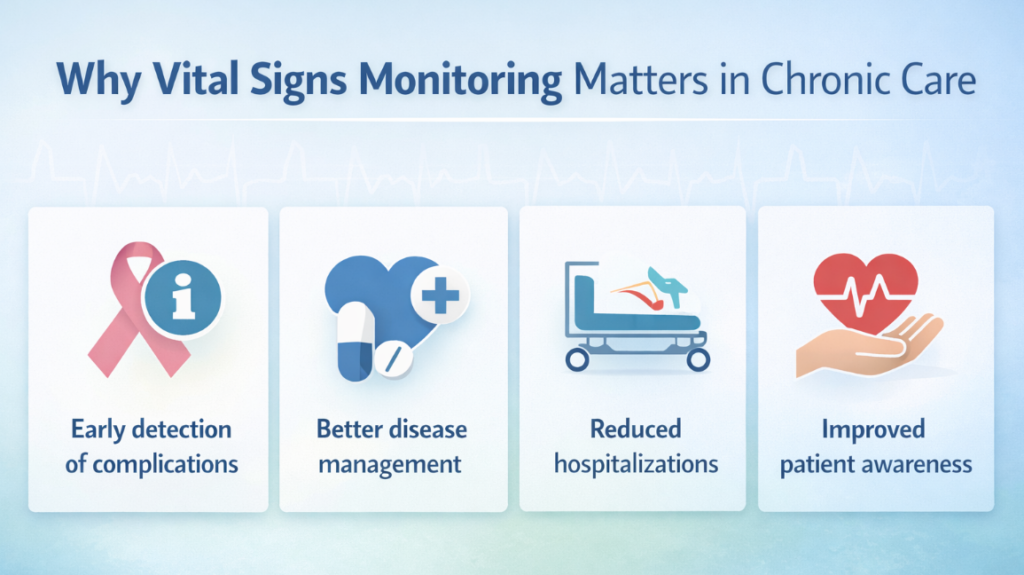
Why Vital Signs Monitoring Matters in Chronic Care
Chronic illnesses often develop gradually and can worsen silently if not closely monitored. Vital signs serve as an early warning system, helping detect subtle changes before they escalate into serious complications.
Key reasons why monitoring is crucial:
- Early detection of complications
Small changes in blood pressure or oxygen levels can signal worsening conditions before symptoms become severe. - Better disease management
Tracking patterns over time helps tailor treatment plans more effectively. - Reduced hospitalizations
Early intervention based on vital sign trends can prevent emergencies and hospital visits. - Improved patient awareness
Patients become more engaged and proactive in managing their health.
For example, a slight but consistent increase in blood pressure may indicate the need for medication adjustment, while a drop in oxygen levels could signal respiratory distress requiring immediate attention.
The Role of Consistency in Monitoring
Consistency is what transforms vital signs from simple readings into meaningful data. Irregular or sporadic monitoring can miss trends that are crucial for chronic care.
Consistent monitoring allows for:
- Identification of patterns and trends
- More accurate assessment of treatment effectiveness
- Timely response to gradual changes
- Better communication between patients and healthcare providers
Daily or scheduled monitoring creates a baseline, making it easier to detect when something is “off.” Without that baseline, even abnormal readings can go unnoticed or be misinterpreted.
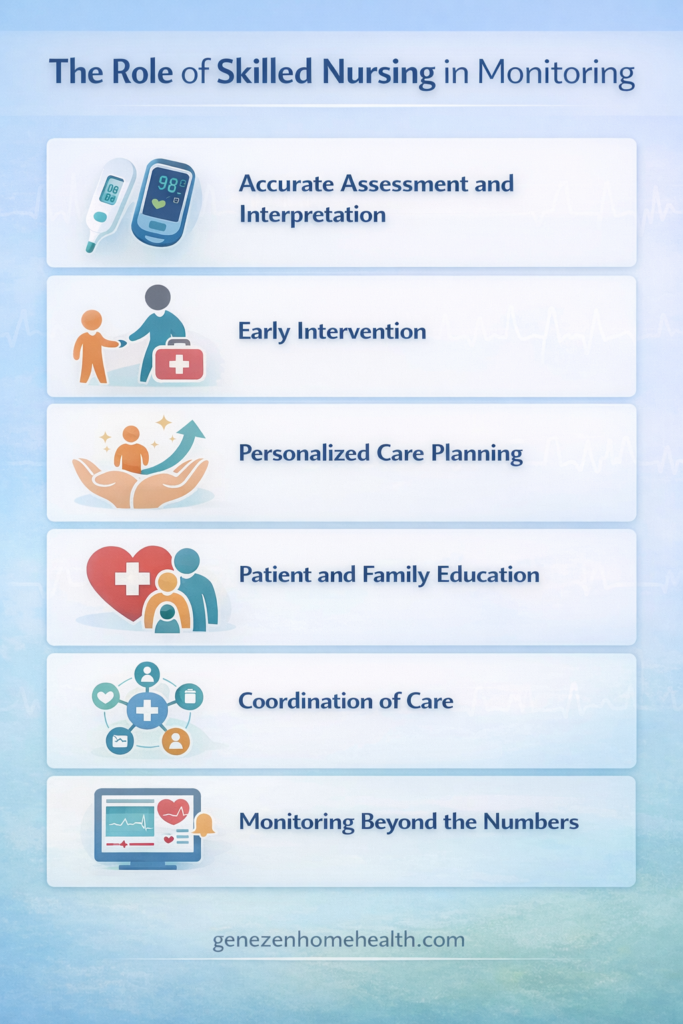
The Role of Skilled Nursing in Monitoring
While technology has made it easier for patients to monitor their vital signs at home, the involvement of skilled nursing professionals remains a critical component in chronic care management. Monitoring is not just about collecting data—it’s about understanding what that data means and taking the right actions at the right time.
Skilled nurses bring clinical expertise, critical thinking, and a holistic approach that ensures vital signs are interpreted accurately within the context of a patient’s overall health condition.
Key contributions of skilled nursing in vital signs monitoring include:
1. Accurate Assessment and Interpretation
Nurses are trained to recognize subtle deviations from normal ranges and understand their clinical significance. They can distinguish between minor fluctuations and signs of serious complications.
2. Early Intervention
When abnormal readings are detected, skilled nurses can act quickly—whether by adjusting care routines, notifying physicians, or initiating emergency protocols if necessary.
3. Personalized Care Planning
Vital signs are not one-size-fits-all. What is normal for one patient may not be for another. Nurses consider individual health history, medications, and conditions when evaluating readings.
4. Patient and Family Education
Skilled nurses educate patients and caregivers on:
- How to properly measure vital signs
- What readings are considered concerning
- When to seek medical help
- How lifestyle choices impact vital signs
5. Coordination of Care
Nurses act as a bridge between patients and other healthcare providers, ensuring that vital sign trends are communicated effectively and incorporated into the care plan.
6. Monitoring Beyond the Numbers
Skilled nursing goes beyond numerical data. Nurses observe physical symptoms, behavior changes, and environmental factors that may influence vital signs, providing a more comprehensive assessment.
This level of expertise transforms routine monitoring into proactive, preventive care—making skilled nursing an indispensable part of chronic disease management.
Vital Signs as Predictors of Health Changes
One of the most powerful aspects of vital signs monitoring is its predictive value. Changes in vital signs often occur before noticeable symptoms appear.
Examples of predictive indicators:
- Rising heart rate and respiratory rate may signal infection or stress
- Gradual increase in blood pressure can indicate worsening cardiovascular health
- Decreasing oxygen saturation may point to respiratory complications
- Fluctuating blood pressure can suggest medication issues or dehydration
By recognizing these patterns early, healthcare providers can intervene before the condition worsens, reducing the risk of complications.
Empowering Patients Through Monitoring
Vital signs monitoring is not just a clinical tool—it is also a way to empower patients. When individuals understand their numbers and what they mean, they become active participants in their own care.
Benefits of patient involvement include:
- Increased confidence in managing their condition
- Better adherence to treatment plans
- Improved communication with healthcare providers
- Greater awareness of lifestyle impacts on health
Patients who regularly monitor their vital signs often feel more in control, which can positively influence both physical and emotional well-being.
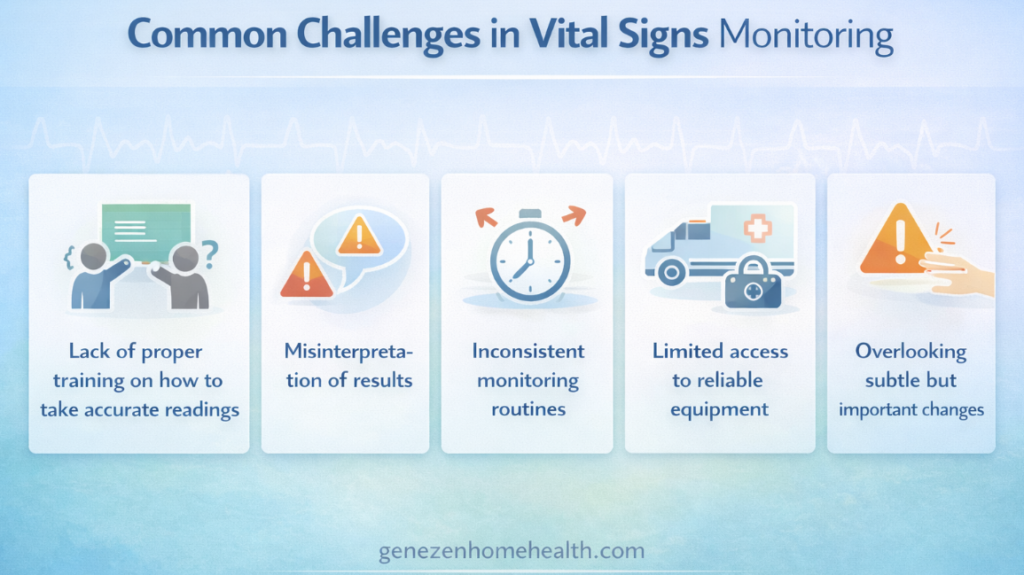
Common Challenges in Vital Signs Monitoring
Despite its importance, monitoring vital signs consistently can present challenges, especially for individuals managing chronic conditions.
Common barriers include:
- Lack of proper training on how to take accurate readings
- Misinterpretation of results
- Inconsistent monitoring routines
- Limited access to reliable equipment
- Overlooking subtle but important changes
These challenges highlight the importance of guidance from healthcare professionals, particularly skilled nurses, who can ensure monitoring is done correctly and effectively.
Technology and the Future of Monitoring
Advancements in healthcare technology have made vital signs monitoring more accessible than ever. Devices such as digital blood pressure monitors, wearable trackers, and mobile health apps allow patients to track their health in real time.
Advantages of modern monitoring tools:
- Convenience and ease of use
- Real-time data tracking
- Ability to share data with healthcare providers
- Increased patient engagement
However, technology alone is not enough. The interpretation and application of data still require professional expertise to ensure accurate and meaningful use.
Integrating Monitoring Into Daily Life
For vital signs monitoring to be effective, it must become part of a patient’s daily routine rather than an occasional task.
Practical ways to integrate monitoring:
- Set specific times each day for measurements
- Keep a log or use a digital app to track readings
- Follow consistent procedures for accuracy
- Share results regularly with healthcare providers
- Pair monitoring with other daily habits (e.g., after meals or before bedtime)
Consistency and routine help transform monitoring into a sustainable habit that supports long-term health.
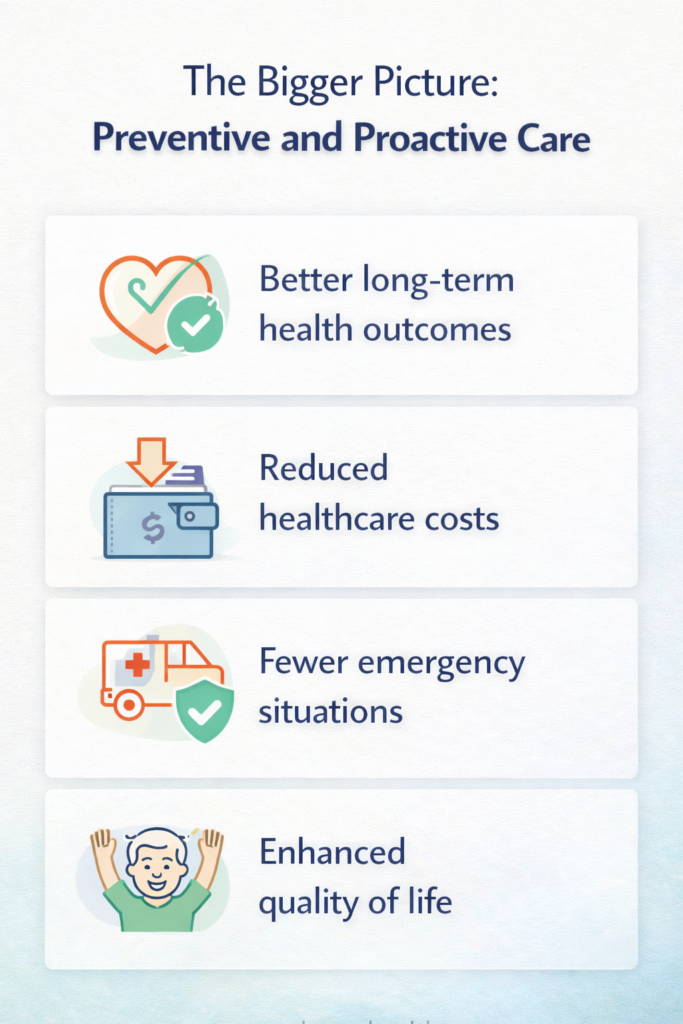
The Bigger Picture: Preventive and Proactive Care
Vital signs monitoring represents a shift from reactive to proactive healthcare. Instead of waiting for symptoms to worsen, patients and providers can act early based on measurable data.
This proactive approach leads to:
- Better long-term health outcomes
- Reduced healthcare costs
- Fewer emergency situations
- Enhanced quality of life
In chronic care, prevention is not just beneficial—it is essential. Vital signs monitoring serves as a foundation for this preventive approach.
Discover How Small Numbers Can Make a Big Difference
Vital signs monitoring is more than a routine task—it is a powerful, proactive approach to managing chronic conditions with greater confidence and clarity. By consistently tracking key health indicators such as blood pressure, heart rate, and oxygen levels, patients and caregivers can detect early warning signs, prevent complications, and make informed decisions that support long-term well-being. When combined with the expertise of skilled nursing, these simple measurements become a critical foundation for safer, more effective, and personalized care.
If you’re ready to turn everyday monitoring into meaningful, guided care, professional support can make all the difference. Partnering with experienced providers like Genezen Home Health Care Services ensures that vital signs are not only tracked but properly interpreted and acted upon—helping you or your loved one achieve better health outcomes in the comfort of home.