

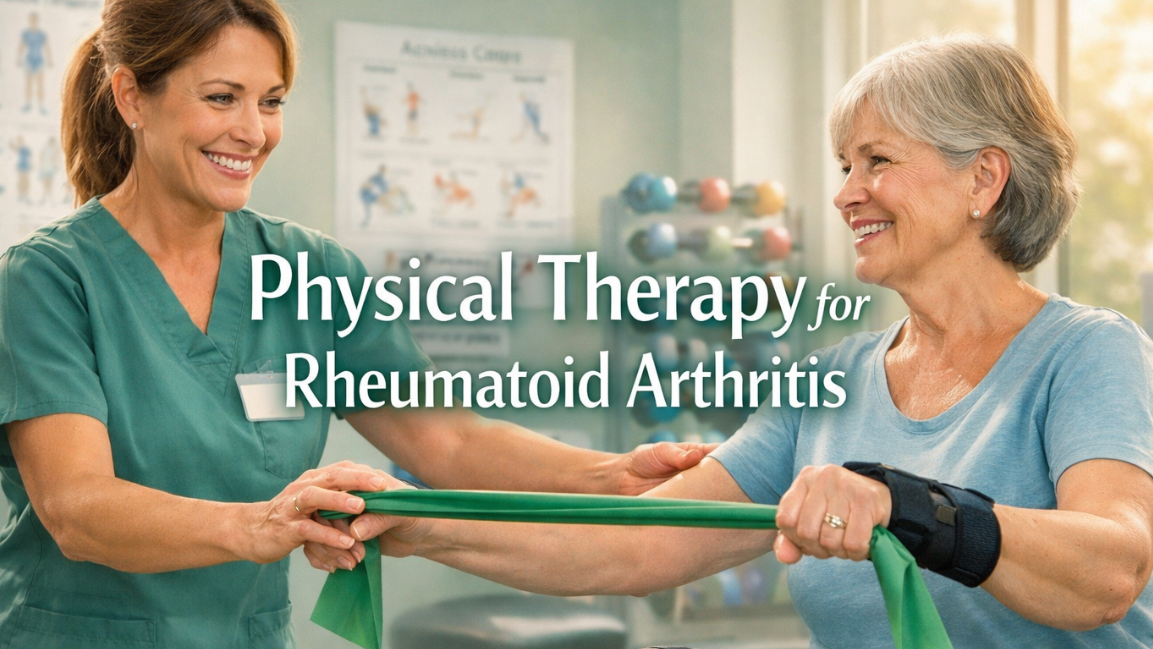
Living with rheumatoid arthritis (RA) can be challenging. This chronic autoimmune condition affects the joints, causing pain, stiffness, swelling, and fatigue. These symptoms often make everyday activities like walking, cooking, or climbing stairs more difficult. For many people, RA can also limit independence and reduce overall quality of life. Physical therapy for rheumatoid arthritis provides an evidence-based way to address these challenges.
Through guided exercises, mobility training, and practical pain management strategies, individuals with RA can regain strength, improve joint function, and maintain independence—all from the comfort of home. This article explores how physical therapy helps people with rheumatoid arthritis manage symptoms and enhance mobility, offering actionable tips and strategies to support long-term joint health.
Rheumatoid Arthritis: Symptoms, Causes, and Impact
Rheumatoid arthritis is more than occasional joint pain. It is a chronic autoimmune condition in which the body’s immune system mistakenly attacks healthy joint tissue. Over time, this can lead to inflammation, damage to cartilage and bone, and loss of joint function.
Common symptoms include:
- Persistent joint pain and tenderness, often in the hands, wrists, knees, or feet
- Stiffness, especially after periods of rest or in the morning
- Swelling and warmth around affected joints
- Fatigue and reduced endurance
- Decreased range of motion
RA affects each person differently, with flare-ups that vary in intensity and duration. Without appropriate management, the condition can limit daily functioning, making even simple tasks like gripping utensils or walking short distances more difficult.
Physical therapy is an important part of a comprehensive RA management plan. While medications and lifestyle adjustments address inflammation and pain, therapy focuses on improving mobility, strength, and function, helping patients maintain independence in their daily lives.
Can Rheumatoid Arthritis Be Prevented?

While there is currently no guaranteed way to prevent rheumatoid arthritis, research suggests that certain lifestyle and environmental factors can reduce risk or delay onset:
- Maintain a healthy weight: Excess weight increases stress on joints and may contribute to inflammation.
- Exercise regularly: Low-impact activities like walking, swimming, or yoga strengthen muscles and improve joint health.
- Avoid smoking: Smoking is a known risk factor for developing RA.
- Balanced diet: Diets rich in fruits, vegetables, omega-3 fatty acids, and whole grains may help reduce inflammation.
- Early medical attention: Prompt evaluation of joint pain or stiffness can lead to earlier diagnosis and management, potentially slowing disease progression.
Even if RA cannot be fully prevented, these steps can support overall joint health and may reduce the severity or progression of symptoms over time.
How Physical Therapy Helps Rheumatoid Arthritis
Physical therapy provides numerous benefits for individuals with RA, addressing both physical limitations and long-term joint health. Licensed physical therapists use evidence-based techniques to design personalized programs tailored to each patient’s needs. Key ways physical therapy helps include:
- Reducing joint pain and stiffness: Gentle stretching and strengthening exercises can decrease discomfort and improve range of motion.
- Improving flexibility and mobility: Targeted exercises maintain joint function and reduce the risk of contractures or permanent stiffness.
- Strengthening surrounding muscles: Supporting muscles help protect vulnerable joints and improve overall stability.
- Enhancing balance and coordination: Training reduces the risk of falls, especially for those with lower extremity involvement.
- Promoting independence: Physical therapy enables patients to perform daily activities more easily, maintaining autonomy and confidence.
Importantly, therapy is customized to the patient’s condition and abilities. Exercises and routines are designed to avoid overloading inflamed joints while gradually building strength and mobility. By combining movement, education, and guidance, physical therapy empowers patients to take an active role in managing their condition.
Physical Therapy for Rheumatoid Arthritis
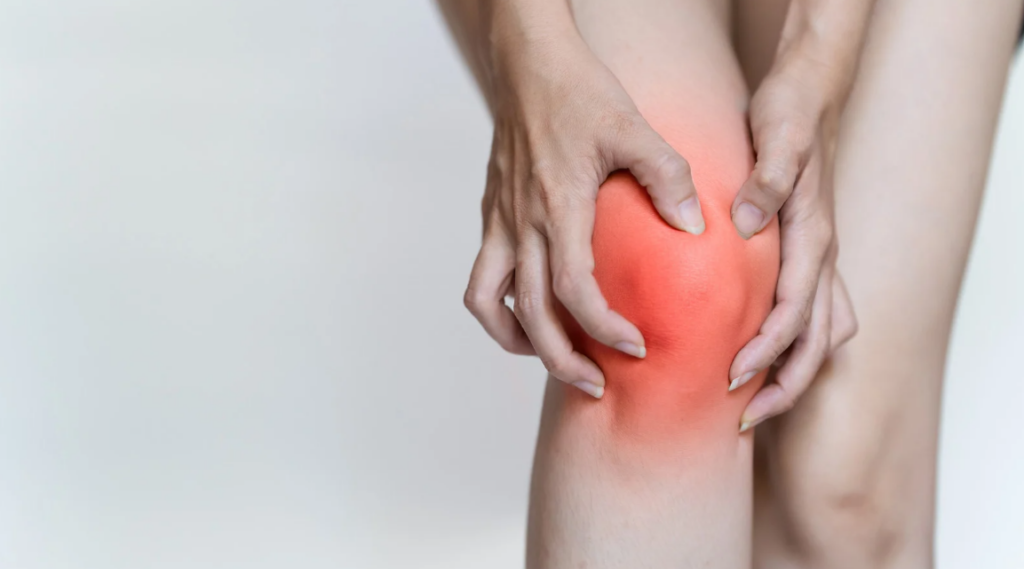
Physical therapy for RA typically includes several key components, all aimed at improving function while minimizing discomfort.
1. Therapeutic Exercises
Exercises are carefully selected to:
- Maintain or improve joint range of motion
- Build strength around affected joints
- Enhance endurance without causing flare-ups
Common exercises may include:
- Range-of-motion exercises: Gentle movements for fingers, wrists, elbows, knees, and shoulders
- Strengthening exercises: Light resistance bands, small weights, or bodyweight movements to support joint stability
- Low-impact aerobic exercises: Walking, stationary cycling, or swimming to improve overall stamina
2. Gait and Balance Training
RA can affect the knees, hips, and ankles, making walking difficult. Physical therapy helps patients:
- Improve walking patterns
- Reduce limping or uneven weight distribution
- Strengthen leg muscles to support joints
- Enhance balance to prevent falls
3. Pain Management Techniques
Pain management is a central focus of physical therapy. Strategies may include:
- Gentle joint mobilization and stretching
- Heat or cold therapy for inflammation control
- Relaxation techniques to manage discomfort
- Instruction in pacing activities to reduce overexertion
4. Education on Safety and Joint Protection
Patients are taught how to move safely and protect joints during daily activities:
- Avoiding positions that strain inflamed joints
- Using assistive devices when necessary
- Learning ergonomic techniques for tasks such as cooking or typing
- Preventing falls through home environment modifications
These services together create a comprehensive approach that addresses pain, mobility, and long-term joint preservation.
Who Can Benefit from Physical Therapy for RA

Physical therapy can help a wide range of individuals with rheumatoid arthritis. Those who are most likely to benefit include:
- People experiencing early or advanced RA who want to maintain mobility
- Individuals recovering from a flare-up or temporary loss of function
- Older adults managing chronic joint pain and decreased balance
- Anyone seeking to maintain independence and reduce reliance on caregivers
Even patients with moderate or severe joint involvement can see improvements with carefully tailored therapy programs. By focusing on the individual’s abilities and limitations, physical therapy can be adapted to meet the changing needs of RA patients over time.
Tips for Maximizing Physical Therapy Results at Home
Consistency and safety are key when practicing physical therapy exercises at home. Here are practical tips to enhance results:
- Follow your prescribed routine consistently: Short, frequent sessions are often more effective than occasional longer workouts.
- Monitor pain levels: Mild discomfort is normal, but stop exercises that trigger sharp pain, swelling, or joint instability.
- Use adaptive tools: Resistance bands, grab bars, or ergonomic utensils can make exercises and daily tasks safer.
- Create a safe environment: Remove tripping hazards, use non-slip mats, and ensure adequate lighting.
- Incorporate complementary habits: Stay hydrated, eat nutrient-rich foods, and maintain overall physical activity within tolerance.
By integrating these strategies, patients can improve therapy outcomes and maintain joint health while reducing the risk of injury or flare-ups.
Realistic Expectations and Safety Considerations
While physical therapy can provide meaningful improvements, it is important to set realistic expectations. Progress may be gradual, and results vary based on the severity of RA, overall health, and consistency with exercises.
Safety considerations include:
- Working with a licensed physical therapist to develop a personalized plan
- Avoiding overexertion or movements that aggravate inflamed joints
- Stopping exercises immediately if experiencing pain, swelling, or joint instability
- Maintaining regular communication with healthcare providers to coordinate treatment and adjust exercises as needed
Physical therapy is most effective when combined with other RA management strategies, such as medication adherence, proper nutrition, and lifestyle adjustments.
What Kind of Physical Therapist Do I Need?

Not all physical therapists specialize in managing rheumatoid arthritis. When seeking therapy, consider the following:
- Experience with RA or chronic joint conditions: Therapists familiar with autoimmune joint disorders can design safer, more effective programs.
- Licensure and credentials: Ensure your therapist is licensed in your state and trained in therapeutic techniques relevant to RA.
- Ability to create individualized plans: Look for a therapist who assesses your mobility, pain levels, and daily activity needs before designing exercises.
- Home-based therapy capability: For patients with limited mobility, therapists who provide in-home sessions can make consistent treatment easier.
Asking the right questions and choosing a qualified therapist ensures that therapy is safe, effective, and adapted to your specific needs.
Moving Forward with Confidence
Physical therapy is a vital component of managing rheumatoid arthritis. Improving joint mobility, reducing pain, and enhancing strength and balance, it helps patients maintain independence and participate fully in daily life. Home-based therapy, in particular, provides a convenient and safe way to access these benefits without the challenges of traveling to a clinic, especially during flare-ups or periods of limited mobility.
If you or a loved one is living with rheumatoid arthritis, consider exploring physical therapy as part of your management plan. A licensed physical therapist, such as those available through Genezen Home Health Care Services, can develop a customized program to help reduce pain, improve mobility, and preserve joint health—all from the comfort of your home. Taking an active approach to therapy can help you regain strength, confidence, and quality of life, one step at a time.