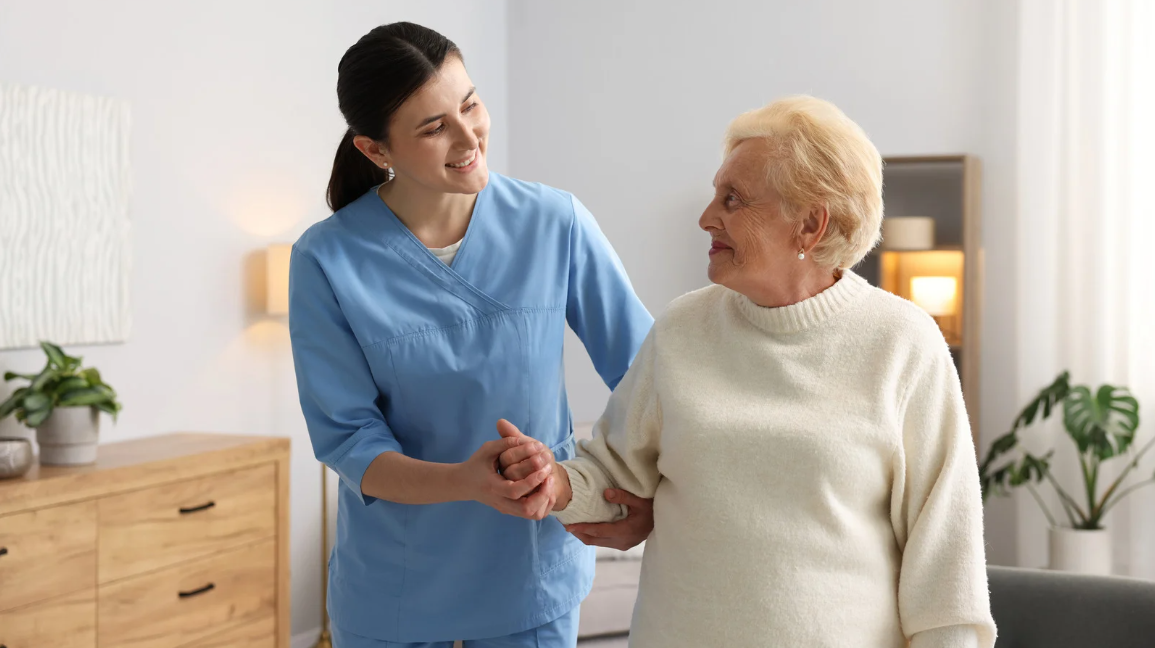
Caring for a loved one with a wound—whether post-surgical, chronic, or due to an injury—can be overwhelming. Proper wound management is critical, not only to promote healing but also to prevent infections and complications. Wound care home health services, delivered by skilled nurses, provide a safe, professional, and personalized approach to managing wounds in the comfort of home. Understanding how these services work and the benefits they offer can help families make informed decisions about care.
What Is Wound Care Home Health?
Wound care home health refers to medical care provided by licensed nurses, such as Registered Nurses (RNs) or Licensed Vocational Nurses (LVNs), specifically focused on treating and managing wounds. Unlike standard home assistance, this care involves specialized knowledge of wound healing, infection prevention, and proper use of medical supplies.
The primary goal of wound care at home is to support healing while reducing the risk of complications. Skilled nurses can evaluate the wound, implement a care plan, and educate both the patient and their family on best practices. This approach allows patients to recover in a familiar environment, which can reduce stress and improve overall outcomes.
Who Can Benefit From Wound Care at Home?
Many patients and families may not realize that wound care home health is not just for post-surgical recovery. It can be highly beneficial for:
- Post-surgical patients – Individuals recovering from procedures such as joint replacement, cardiac surgery, or abdominal surgery often need frequent monitoring and dressing changes.
- Chronic wounds – Patients with diabetic ulcers, pressure sores, or venous ulcers require ongoing, specialized care to prevent infection and promote healing.
- Elderly or mobility-limited patients – Older adults or individuals with limited mobility may struggle with self-care, making professional wound management essential.
- Family caregivers – Families supporting a loved one with a wound often need guidance and reassurance from skilled professionals.
By bringing skilled nursing to the home, families can avoid frequent hospital visits while ensuring wounds are properly treated.
How Skilled Nurses Enhance Wound Healing
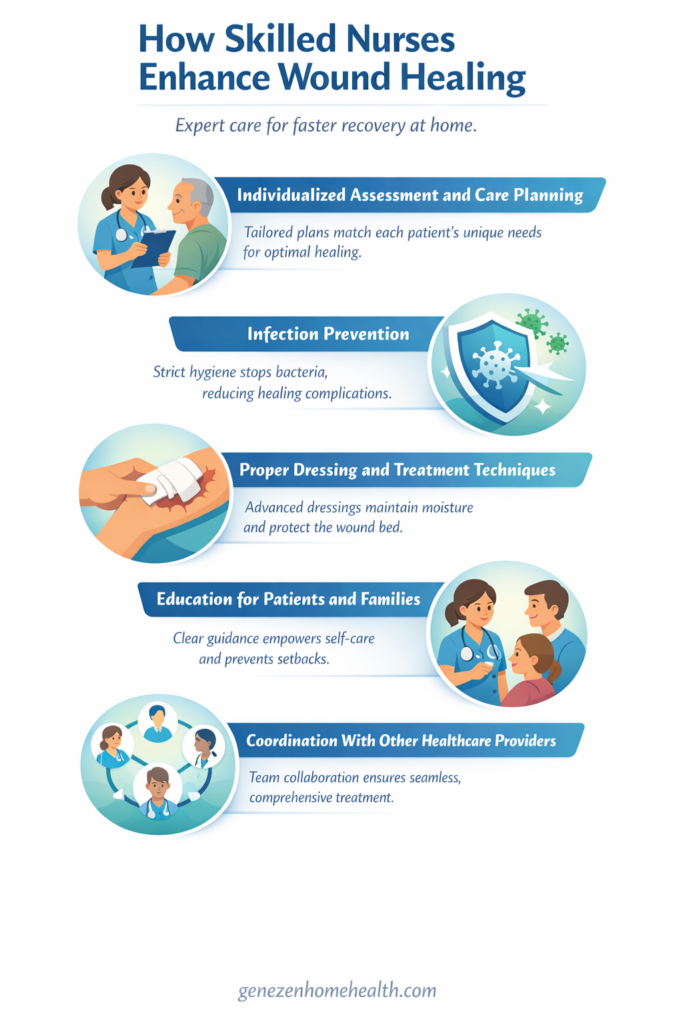
Skilled nurses play a central role in wound care home health. Their expertise goes beyond simply changing bandages—they provide a comprehensive approach to healing. Here’s how:
1. Individualized Assessment and Care Planning
Every wound is unique, and healing depends on personalized care. Skilled nurses assess factors such as wound type, size, depth, and infection risk. Based on this assessment, they develop a care plan tailored to the patient’s needs. This plan may include dressing changes, medication administration, and recommendations for adjunct therapies like compression or topical treatments.
2. Infection Prevention
Infections are a major concern in wound healing. Skilled nurses employ strict infection control protocols, including sterile dressing techniques and careful monitoring for signs of infection. Early detection and intervention prevent complications that could otherwise lead to hospitalization.
3. Proper Dressing and Treatment Techniques
Not all wounds heal the same way. Nurses determine the appropriate type of dressing—whether hydrocolloid, foam, or gauze—and adjust treatments as the wound progresses. They also provide guidance on when to use topical medications, antibiotics, or advanced wound care products.
4. Education for Patients and Families
A key part of wound care home health is teaching patients and families how to care for the wound. Nurses explain how to recognize infection signs, properly apply dressings, and maintain hygiene. This education empowers families to support recovery confidently and safely.
5. Coordination With Other Healthcare Providers
Skilled nurses often serve as a bridge between the patient and the broader healthcare team. They communicate updates to physicians, therapists, and specialists, ensuring coordinated care. This can be particularly important for patients with chronic illnesses or multiple health concerns.
Common Wound Types Treated at Home
Wound care home health can address a variety of wounds, including:
- Surgical wounds – Incisions from operations that require monitoring for infection and proper closure.
- Pressure ulcers (bedsores) – Often seen in patients with limited mobility, requiring frequent repositioning and specialized dressings.
- Diabetic ulcers – Chronic wounds caused by poor circulation and neuropathy, demanding careful monitoring and management.
- Traumatic wounds – Cuts, lacerations, or burns that need professional assessment and treatment.
- Venous ulcers – Typically found on the lower legs, caused by impaired blood flow, requiring compression therapy alongside wound care.
Each type of wound has unique healing requirements, highlighting the importance of skilled, individualized nursing care.
Why Healing at Home Can Be Better
There are several reasons why wound care home health can offer advantages over facility-based care:
- Comfort and familiarity – Recovering at home reduces stress and promotes mental well-being.
- Reduced risk of hospital-acquired infections – Patients avoid exposure to pathogens often present in hospital settings.
- Family involvement – Families can learn firsthand how to support the patient, fostering confidence and collaboration.
- Flexible scheduling – Skilled nurses can provide care at times that suit the patient’s routine and needs.
- Focus on independence – Home care emphasizes empowering the patient to regain autonomy in daily activities while safely managing their wound.
These benefits make home-based wound care an appealing option for many families navigating recovery and chronic conditions.
The Role of Skilled Nursing in Chronic Condition Management
For patients with chronic conditions like diabetes, vascular disease, or mobility limitations, wound care home health is particularly vital. Skilled nurses provide ongoing monitoring and preventive care to reduce the likelihood of recurring wounds or complications.
For example, in diabetic patients, nurses can monitor blood glucose levels, provide education on foot care, and ensure early detection of ulcers. For those with mobility challenges, nurses may recommend repositioning schedules, pressure-relieving devices, or specialized dressings to prevent pressure injuries.
Tips for Families Supporting a Loved One With a Wound
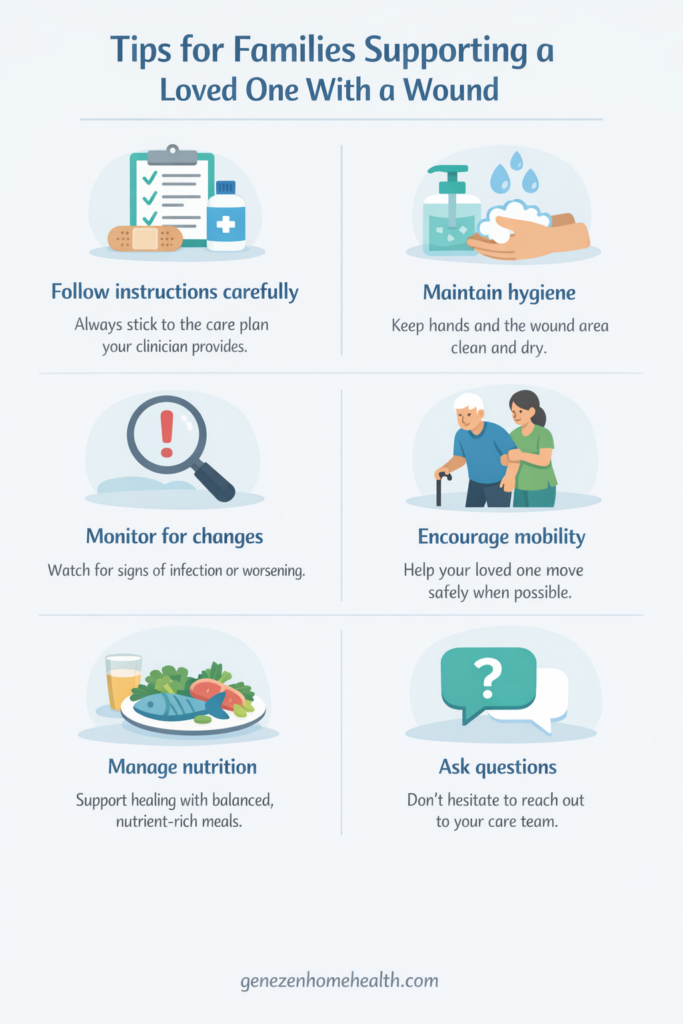
Caring for a family member with a wound at home can be challenging, but there are practical steps families can take to support recovery:
- Follow instructions carefully – Adhere to the wound care plan provided by skilled nurses.
- Maintain hygiene – Keep the wound and surrounding area clean to prevent infection.
- Monitor for changes – Watch for increased redness, swelling, odor, or drainage and report these immediately.
- Encourage mobility – When possible, help the patient stay active to promote circulation and healing.
- Manage nutrition – Adequate protein, vitamins, and hydration support tissue repair.
- Ask questions – Engage with the skilled nurse to clarify any concerns about the wound or healing process.
By staying proactive and informed, families can make a significant difference in the recovery journey.
When to Seek Immediate Medical Attention
Even with professional wound care at home, some situations require urgent attention:
- Sudden increase in wound pain
- Rapidly spreading redness or swelling
- Fever or chills indicating systemic infection
- Unusual discharge or foul odor from the wound
- Bleeding that does not stop with gentle pressure
Skilled nurses monitor for these signs and guide families on when to escalate care, ensuring complications are addressed promptly.
Benefits Beyond Healing
The advantages of wound care home health extend beyond physical healing. Skilled nursing care also supports emotional and psychological well-being. Patients feel reassured knowing a professional is monitoring their progress, while families gain confidence in their caregiving role. This holistic approach helps reduce stress, anxiety, and caregiver burnout.
Choosing the Right Skilled Nursing Service
When considering wound care home health, it’s important to look for a service that combines clinical expertise with compassion. Essential qualities include:
- Licensed and experienced RNs or LVNs with wound care certification
- Ability to provide individualized care plans and education
- Coordination with physicians and healthcare providers
- Availability for in-home visits and flexible scheduling
- Strong communication skills to involve family members
Choosing a service with these qualities ensures comprehensive care that prioritizes both healing and patient comfort.
Empowering Patients and Families Through Education
One of the most valuable aspects of wound care home health is education. Skilled nurses teach families how to:
- Safely change dressings
- Recognize early signs of infection
- Maintain hygiene and skin integrity
- Support mobility and circulation
- Manage chronic conditions that may affect wound healing
This knowledge not only enhances recovery but also empowers families to participate actively in the healing process.
Guiding Your Loved One to Full Recovery
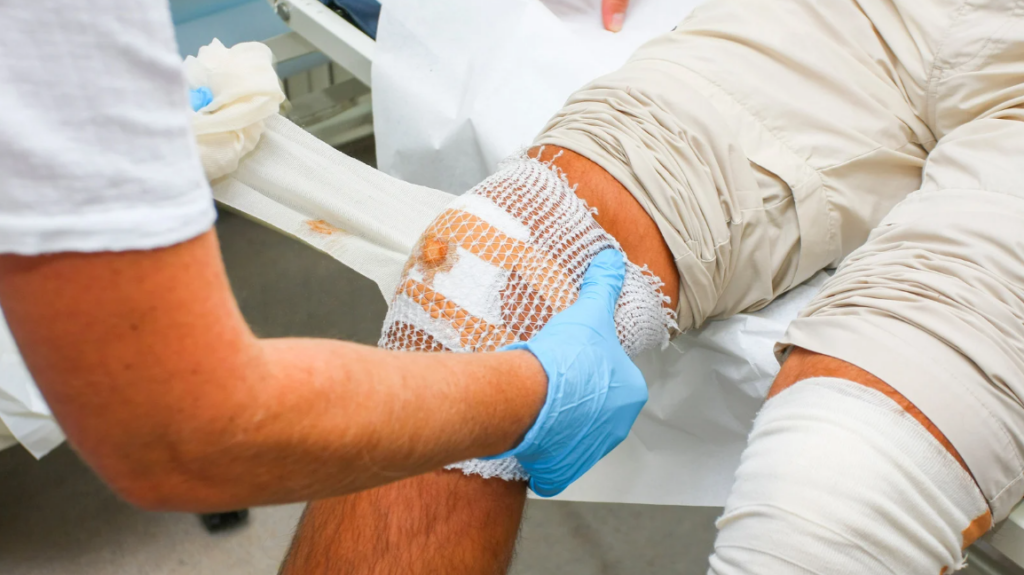
Proper wound care requires more than just bandages; it demands knowledge, vigilance, and coordination. Wound care home health services delivered by skilled nurses offer the expertise, guidance, and support necessary for effective healing. By combining individualized care plans, infection prevention, family education, and ongoing monitoring, patients can recover faster and reduce the risk of complications—all while remaining in the comfort of their own home.
Furthermore, families gain confidence in their caregiving abilities and peace of mind knowing that a professional is overseeing the healing process. This holistic approach empowers both patients and caregivers to navigate recovery successfully, making home-based skilled nursing an invaluable resource.
Taking the Next Step in Home-Based Wound Care
If your loved one is recovering from surgery, managing a chronic wound, or facing mobility challenges, skilled nursing at home can make a significant difference. By engaging experienced nurses, you ensure proper wound management, minimize complications, and support your loved one’s independence.
For families ready to explore wound care home health solutions, services like Genezen Home Health Care provide compassionate, professional skilled nursing tailored to each patient’s needs. Their team guides families through the process, offering education, monitoring, and personalized care to help patients heal safely at home. To learn more and discuss your specific situation, you can reach Genezen Home Health at (949) 380-6930 or visit their website.