


Recovering from an injury or managing chronic pain doesn’t stop when you leave your clinic. Physical therapy exercises at home are essential for maintaining strength, improving flexibility, restoring mobility, and preventing future injuries. Unlike regular workouts, physical therapy exercises at home are designed specifically to target your rehabilitation needs and must be performed correctly to be safe and effective.
Before starting any routine, it’s important to review your plan with a physical therapist. They can ensure the physical therapy exercises at home you choose address your specific deficits, confirm proper form, and adapt them to your recovery stage. With the right guidance, your home routine becomes a powerful extension of your in-clinic care, helping you heal faster. This guide highlights some of the most effective physical therapy exercises at home that you can incorporate safely into your daily routine.
Why Home Physical Therapy Exercises Are Powerful
Home exercises are not a replacement for professional care but a vital complement to it. When done consistently, they:
- Bridge therapy sessions: Exercises at home help maintain progress between clinic visits, reinforcing the gains made during in-person sessions.
- Improve accessibility: Many exercises require minimal equipment — a mat, resistance band, or chair — making it easy to do them anywhere.
- Provide evidence-based recovery: Physical therapists select exercises scientifically proven to strengthen weak muscles, improve flexibility, and restore joint mobility.
- Prevent reinjury: Maintaining strength and stability at home reduces the risk of setbacks or chronic pain.
- Empower patients: Performing exercises yourself gives you a sense of control over your rehabilitation journey, enhancing motivation and adherence.
By integrating home exercises into your daily routine under the guidance of your physical therapist, you can maximize recovery, maintain function, and even prevent future injuries.
Key Types of Physical Therapy Exercises at Home for Effective Recovery
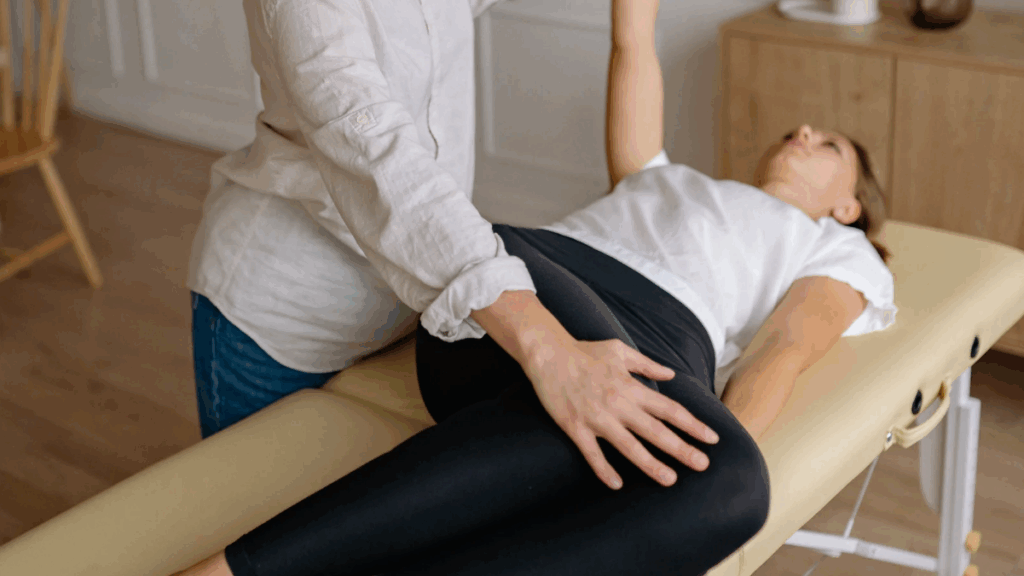
Physical therapists typically categorize exercises into five main types, each targeting different aspects of movement and function:
- Stretching / Flexibility – These exercises reduce muscle tightness, improve joint mobility, and support overall movement efficiency.
- Strengthening – Target weak or injured muscles, often focusing on glutes, quadriceps, core, and upper back.
- Balance & Stability – Improve coordination, prevent falls, and enhance overall functional movement.
- Posture & Core Control – Support spinal alignment, reduce back or neck pain, and improve body mechanics.
- Nerve Gliding / Mobility – Specialized exercises designed to relieve nerve tension or improve mobility for conditions such as carpal tunnel or sciatica.
Selecting the right combination of these exercises depends on your injury, recovery stage, and individual deficits — which is why consulting your physical therapist is essential before starting any new routine.
Top Effective Physical Therapy Exercises at Home
Below is a selection of highly effective exercises commonly prescribed in physical therapy programs. Each includes purpose, step-by-step instructions, progression options, and safety tips. Always check with your PT before performing these exercises.
Strengthening Exercises
1. Glute Bridge

- Purpose: Strengthens glutes, hamstrings, and lower back muscles; commonly used in low back, hip, and knee rehabilitation.
- How to Do It: Lie on your back with knees bent and feet flat on the floor. Engage your core and lift your hips by squeezing your glutes. Hold for 3–5 seconds, then slowly lower.
- Progression: Try single-leg bridges or add a resistance band across your thighs.
- Safety Tips: Avoid arching your lower back; keep core engaged throughout the movement.
2. Squats with Overhead Band

- Purpose: Strengthens legs, glutes, and shoulders; promotes upper and lower body coordination.
- How to Do It: Stand with a resistance band held overhead in a “Y” shape. Sit back into a squat while maintaining tension on the band. Return to standing.
- Progression: Increase band tension or add repetitions.
- Safety Tips: Keep knees aligned over toes and avoid letting them collapse inward.
3. Straight Leg Raise

- Purpose: Strengthens hip flexors and quadriceps; often used in knee rehabilitation.
- How to Do It: Lie on your back with one knee bent and the other leg straight. Lift the straight leg to about 45 degrees, hold for a few seconds, and lower slowly.
- Progression: Add ankle weights or increase the number of repetitions.
- Safety Tips: Move in a controlled manner; avoid swinging the leg.
Core / Stability Exercises
4. Bird-Dog

- Purpose: Improves core stability, coordination, and low back control.
- How to Do It: Begin on hands and knees. Extend your right arm forward and left leg back simultaneously. Hold for 3–5 seconds, then switch sides.
- Progression: Hold longer, add slow pulses, or incorporate light weights.
- Safety Tips: Keep your spine neutral and avoid rotating your hips.
5. Plank (or Modified Plank)

- Purpose: Strengthens core, back, and shoulders; improves posture.
- How to Do It: Position yourself on forearms or hands, maintaining a straight line from head to heels. Hold for 10–60 seconds.
- Progression: Increase hold time, try side planks, or raise one arm or leg.
- Safety Tips: Don’t let hips sag; maintain controlled breathing.
Flexibility & Stretching
6. Hamstring Stretch

- Purpose: Loosens tight hamstrings and reduces lower back tension.
- How to Do It: Lie on your back and raise one leg, holding behind the thigh. Gently straighten the leg until you feel a stretch.
- Progression: Use a strap or towel to deepen the stretch.
- Safety Tips: Avoid forcing full extension or lifting your hips off the floor.
7. Hip Flexor Stretch

- Purpose: Improves hip mobility, particularly beneficial for individuals who sit for long periods.
- How to Do It: Kneel with one foot forward in a lunge position. Tuck your pelvis and gently push hips forward.
- Progression: Deepen the lunge or raise your arms overhead.
- Safety Tips: Maintain an upright posture and avoid compressing the knee.
Upper Body / Shoulder Exercises
8. Wall Slides
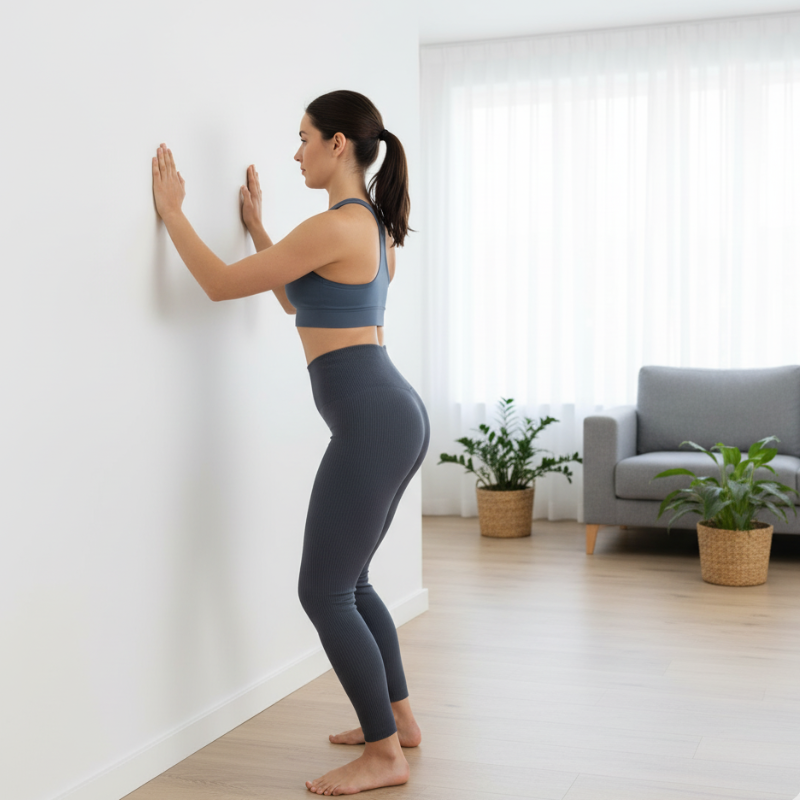
- Purpose: Enhances shoulder range of motion and scapular stability, especially after injury.
- How to Do It: Stand with your back against a wall, elbows bent. Slide your arms up and down while keeping contact with the wall.
- Progression: Add a resistance band or perform in a partial squat.
- Safety Tips: Avoid shrugging shoulders; maintain contact with the wall.
9. Serratus Punch

- Purpose: Strengthens the serratus anterior, supporting shoulder function and posture.
- How to Do It: Sit or stand and punch forward, fully extending the scapula. Return slowly.
- Progression: Use a light dumbbell or resistance band.
- Safety Tips: Avoid locking the elbow; keep movements controlled.
Nerve / Specialized Mobility
10. Nerve Gliding (Flossing)

- Purpose: Improves nerve mobility and reduces tension or compression. Used for conditions such as carpal tunnel or sciatica.
- How to Do It: Technique varies depending on the nerve. For the median nerve: coordinate gentle wrist and elbow movements while keeping the nerve slightly tensioned.
- Progression: Increase range or repetitions gradually.
- Safety Tips: Stop if tingling, burning, or sharp pain occurs. Always perform under PT guidance.
How to Build a Safe and Effective Physical Therapy Exercises at Home Routine
Creating a structured home routine ensures safety and effectiveness:
- Start with your assessment/prescription: Follow your PT’s recommendations for exercises, frequency, and intensity.
- Warm-up first: 5–10 minutes of light activity (walking, arm swings) prepares your body.
- Set frequency and dosage: Typically 3–5 times per week, adjusted for your recovery stage.
- Progress carefully: Increase repetitions or resistance only when your form is perfect and you’re comfortable.
- Use feedback: Mirror yourself or record video; review with your PT to ensure correct form.
- Monitor pain and response: Track soreness, functional improvements, and signs of overuse. Stop if pain worsens.
- Rest and recover: Include rest days, gentle stretches, and lower-intensity sessions.
- Stay consistent: Regular practice outweighs sporadic, intense sessions.
Common Mistakes & How to Avoid Them

Even well-designed exercises can cause setbacks if done incorrectly:
- Skipping PT guidance: Not consulting your therapist may lead to targeting the wrong muscles or aggravating your injury.
- Poor technique or posture: Reduces effectiveness and increases injury risk.
- Rushing progression: Increasing reps or resistance too quickly can strain muscles and joints.
- Neglecting mobility/warm-up: Skipping stretching or nerve work can limit recovery.
- Ignoring pain signals: “No pain, no gain” does not apply in physical therapy. Stop or modify exercises if you feel sharp or abnormal pain.
- Over-exercising: Too many exercises, too often, can cause fatigue or setbacks.
When to Call Your Physical Therapist
Contact your therapist immediately if you experience:
- New or worsening pain, especially sharp or shooting sensations
- Inability to maintain proper form, or deterioration in technique
- Neurological symptoms like numbness, tingling, or weakness
- A plateau in recovery requiring program modification
- Any uncertainty about exercise safety for your condition
Remember, your therapist is your partner in recovery — don’t hesitate to reach out.
Long-Term Benefits & Motivation

Home physical therapy exercises offer lasting benefits:
- Improved functional independence: Enhanced strength, mobility, and balance make daily activities easier.
- Injury prevention: Maintaining strength and flexibility reduces the risk of future injuries.
- Cost-effective: Home exercises reduce the need for frequent in-clinic sessions.
- Mental health benefits: Regular movement improves mood, reduces anxiety, and fosters a sense of control.
- Habit formation: A consistent home routine increases long-term adherence and better outcomes.
Conclusion
At-home recovery is greatly enhanced by physical therapy exercises at home, which help improve strength, flexibility, balance, and overall function. Success depends on choosing the right exercises and performing them correctly for your individual needs.
Always review your home exercise plan with a licensed professional. A physical therapist can ensure your routine targets the right areas, monitors your progress, and adjusts exercises safely. For personalized guidance and professional home health support, consider partnering with Genezen Home Health Care — their skilled team can help you implement a safe, effective, and tailored exercise program right in the comfort of your home.
With consistency, proper technique, and expert support, at-home physical therapy exercises can become a cornerstone of lasting mobility, injury prevention, and overall well-being. Take the first step today and let Genezen Home Health Care guide you on your path to recovery.