

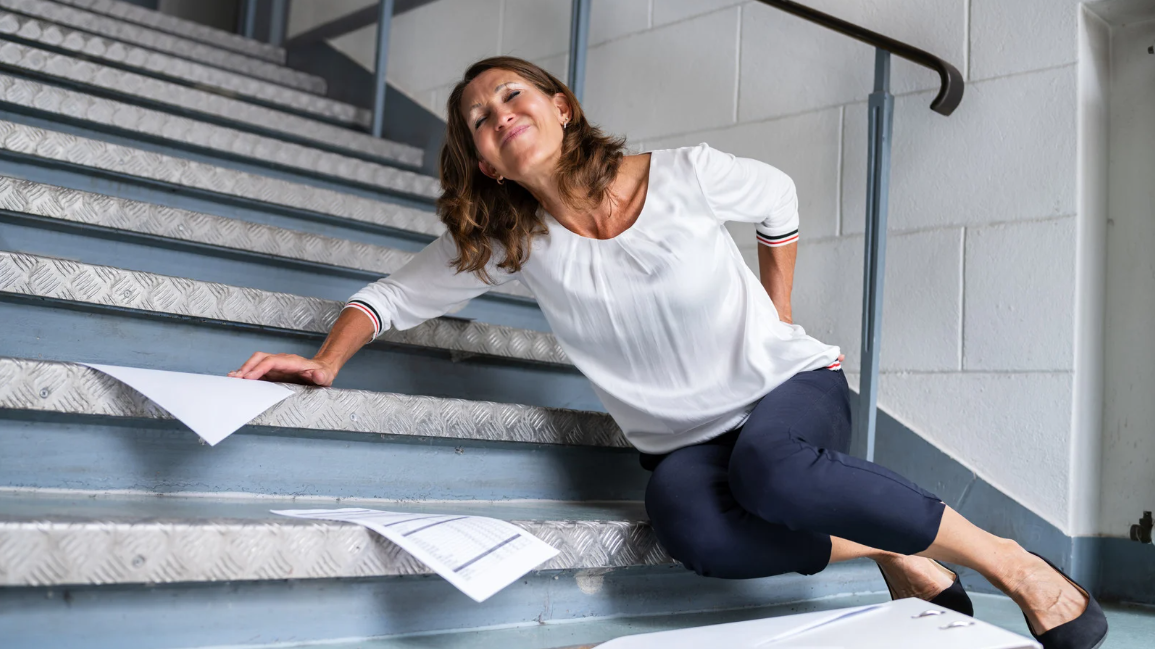
As we age, small challenges in movement, balance, and coordination can gradually increase the risk of falling. For many seniors, falls are not only unsettling but can lead to long-term complications that affect independence and confidence. That’s where ot fall prevention — occupational therapy-based fall prevention — plays a major role.
Aging gracefully at home, often referred to as “aging in place,” means maintaining safety, mobility, and self-reliance in a comfortable environment. Occupational therapists help older adults achieve exactly that by addressing the physical, environmental, and behavioral factors that contribute to falls.
This article discusses why ot fall prevention is an essential strategy for seniors who wish to remain independent and safe in their own homes.
OT Fall Prevention: Personalized Strategies for Safety at Home
OT fall prevention refers to fall-reduction programs designed and supervised by occupational therapists (OTs). These programs are not one-size-fits-all—they’re personalized to each person’s health condition, activity level, and home environment.
Occupational therapists assess the root causes of fall risks, such as muscle weakness, vision impairment, medication side effects, or unsafe layouts in the home. From there, they develop practical solutions to minimize danger, improve mobility, and enhance daily functioning.
Unlike general fitness or exercise programs, ot fall prevention focuses on real-life activities—how to move safely while cooking, bathing, reaching for objects, or navigating stairs. The goal is to build both physical confidence and environmental awareness, enabling older adults to perform daily tasks independently.
Why Falls Are a Serious Concern for Seniors
Falls are one of the most common safety concerns for older adults. While some falls cause only minor injuries, others can have lasting physical and emotional effects, such as fractures, reduced mobility, and loss of confidence.
Beyond the physical consequences, fear of falling can also change how seniors approach daily life. They may limit activity to “stay safe,” but this often leads to muscle weakness and reduced balance—ironically increasing fall risk.
That’s why ot fall prevention is not simply about avoiding accidents—it’s about preserving quality of life. By addressing both the body and environment, occupational therapists help seniors stay active, secure, and engaged in the activities they love.
The Role of Occupational Therapy in Fall Prevention

Occupational therapists are uniquely trained to analyze the interactions between people, their tasks, and their surroundings. In the context of fall prevention, this means understanding why a fall might occur and how to prevent it through practical adaptations and education.
1. Personalized Assessment
An OT begins by conducting a comprehensive assessment that includes:
- Reviewing medical history, balance issues, and cognitive factors.
- Observing mobility patterns and posture.
- Evaluating the home environment for safety hazards like loose rugs, uneven flooring, or poor lighting.
This holistic approach ensures every recommendation directly addresses the individual’s daily routines and challenges.
2. Developing a Customized Plan
Following assessment, the OT designs an individualized program. This often includes:
- Targeted exercises to improve strength, coordination, and endurance.
- Advice on assistive devices such as grab bars, handrails, or walking aids.
- Recommendations for home modifications to enhance accessibility.
The therapist also educates both patients and caregivers, making sure everyone understands safe movement techniques and habits.
3. Promoting Long-Term Independence
The ultimate goal of ot fall prevention is to empower older adults—not restrict them. By increasing awareness, confidence, and mobility, seniors gain the ability to move more freely and safely. This sense of control leads to higher satisfaction and emotional well-being, allowing them to age in place with renewed assurance.
Factors That Contribute to Falls

Occupational therapists recognize that no two fall risks are the same. Here are common factors that influence the likelihood of falls among aging adults:
1. Physical Factors
- Muscle weakness or joint stiffness
- Poor balance or coordination
- Limited vision or depth perception
- Side effects from medications affecting alertness or stability
2. Environmental Factors
- Cluttered pathways or uneven flooring
- Inadequate lighting in hallways or bathrooms
- Slippery surfaces in kitchens or showers
- Improper footwear or rugs without non-slip backing
3. Behavioral Factors
- Rushing or multitasking during movement
- Hesitancy caused by fear of falling
- Refusal to use walking aids or adaptive devices
OT fall prevention strategies identify and address these risk categories holistically, making small but meaningful changes that reduce risk and improve comfort at home.
Evidence-Based Techniques in OT Fall Prevention

Occupational therapists employ a range of proven methods to foster balance, body awareness, and safety. Let’s look at some key techniques commonly used in fall prevention programs.
1. Balance and Strength Training
OTs design practical exercise routines tailored to daily activities. These exercises might involve standing from a chair, stepping over objects, or practicing stability while reaching. Consistent training strengthens leg muscles and improves reaction time during movement.
2. Home Safety Evaluations and Modifications
One of the hallmark aspects of ot fall prevention is environmental modification. Therapists recommend specific adaptations such as:
- Installing grab bars in bathrooms.
- Adding non-slip mats and good lighting in hallways.
- Rearranging furniture to create wider walking spaces.
- Adjusting bed and chair heights for safer transfers.
Small adjustments often make the biggest difference when it comes to fall prevention.
3. Education and Awareness
Education is a core OT strategy, empowering seniors to recognize and respond to risks. Therapists teach practical safety habits like maintaining steady pace, wearing supportive shoes, and planning movements mindfully.
4. Use of Assistive Devices
When appropriate, occupational therapists recommend devices that enhance stability—walkers, canes, reachers, or shower chairs. They train patients on proper usage to ensure confidence and safety.
5. Ongoing Monitoring and Goal Setting
OTs revisit progress over time, updating strategies as a person’s mobility or environment changes. This adaptability keeps ot fall prevention programs relevant and personalized.
The Connection Between OT and Aging in Place

Aging in place means growing older while continuing to live at home rather than in a facility. While this offers emotional and psychological comfort, it also presents physical challenges that demand careful planning.
OT fall prevention aligns perfectly with this goal by enhancing both environment and ability. Occupational therapists make aging in place sustainable through three main benefits:
- Maintaining Independence: By preventing falls, seniors stay capable of completing daily tasks without constant supervision.
- Improving Home Safety: Through adjustments like better lighting and clutter control, homes become safer and more accessible.
- Boosting Confidence: Removing physical barriers and fear of falling allows older adults to move independently and engage more with life.
This blend of empowerment and safety is what makes ot fall prevention such a powerful component of long-term home care strategies.
How Family and Caregivers Can Support Fall Prevention
Family involvement enhances the success of any fall prevention plan. Occupational therapists often educate caregivers on safety techniques and awareness strategies. Simple actions can significantly reduce fall risks, such as:
- Keeping hallways free from clutter or cords.
- Checking lighting regularly, especially at night.
- Encouraging regular physical activity and stretching.
- Supporting adherence to home therapy exercises.
- Ensuring handrails, platforms, and surfaces remain stable.
Effective ot fall prevention works best when everyone plays a role — patient, therapist, and caregiver together.
The Psychological Benefits of Fall Prevention
Falls don’t just affect the body; they also impact confidence, freedom, and self-esteem. Many older adults who experience a fall develop a lasting fear that limits their daily activities. This emotional withdrawal can spiral into isolation or depression over time.
By integrating ot fall prevention into daily life, seniors regain both physical balance and peace of mind. Under guidance from occupational therapists, they learn techniques that build confidence through empowerment rather than fear. This renewed assurance helps sustain motivation and active living.
Common Misconceptions About OT Fall Prevention

Some families assume fall prevention is purely about exercise or equipment. In reality, OT fall prevention is far more comprehensive: it merges clinical knowledge, environmental analysis, and personalized coaching.
Here are a few common misconceptions:
- “It’s only for people who have already fallen.”
Preventive care works best before an incident occurs, helping identify risks early. - “Fall prevention means restriction.”
On the contrary, occupational therapists promote safe independence, not dependency. - “My home is safe enough.”
Even small adjustments can drastically lower risk—many hazards are subtle and easy to overlook without professional assessment.
Dispelling these myths helps families better appreciate the proactive power of ot fall prevention.
Final Thoughts
Every senior deserves the chance to age in place with confidence, comfort, and dignity. Falls are preventable, and occupational therapy provides the knowledge, skills, and strategies to make homes safer while helping older adults stay active in their daily routines. OT fall prevention enhances both safety and independence, allowing seniors to enjoy the quality of life they’ve worked so hard to preserve.
Guided by professional occupational therapists, fall prevention becomes more than a safety measure—it becomes a path toward lifelong stability and self-assurance. The compassionate teams at Genezen Home Health Care Services, Inc. provide personalized occupational therapy programs that help seniors move safely, adapt confidently, and live more freely at home. Learn how Genezen’s OT fall prevention approach supports aging in place—securely, independently, and with peace of mind.