

When a doctor prescribes medications, they aim to manage symptoms, stabilize health, and prevent complications. However, even the most effective treatment plan fails if patients don’t take their medications as directed. In fact, studies show that poor medication adherence is one of the most common reasons behind hospital readmissions and worsening chronic conditions.
For patients receiving home health care, maintaining consistent medication routines is critical. Not only do medications manage illness—they sustain recovery, improve comfort, and prevent emergencies that can lead back to hospitalization. This article explores why medication adherence matters, what challenges patients face, and how home health care professionals play a vital role in promoting safe and reliable medication practices at home.
Medication Adherence: What It Really Means
Medication adherence refers to the degree to which patients take their medications exactly as prescribed—right dose, right timing, and right duration. It doesn’t simply mean taking pills regularly; it involves understanding the purpose of each medication, following instructions correctly, and maintaining consistency even when symptoms improve.
In home health care settings, medication adherence becomes a cornerstone of treatment success. Whether it’s a short course of antibiotics following surgery or a lifelong maintenance drug for diabetes, the effectiveness of these medications depends on patient commitment and professional guidance.
Adherence ensures that the medication levels in the body remain stable and therapeutic, preventing relapse, progression, or complications. Conversely, skipping doses, taking incorrect amounts, or discontinuing treatment prematurely can hinder recovery or cause serious side effects.
The Impact of Non-Adherence on Patient Health
Failure to follow prescribed medication schedules can interfere with treatment progress and overall well-being. When doses are missed or taken incorrectly, medications may not work as intended, leading to slower recovery or recurring symptoms.
- Diminished Treatment Effectiveness: When medications are missed or taken incorrectly, their intended therapeutic effect weakens. Antibiotics may lose efficacy, blood sugar levels may rise, or blood pressure could spike unpredictably. This inconsistency complicates treatment and delays recovery.
- Increased Risk of Hospital Readmission: One of the most direct consequences of poor medication adherence is the increased likelihood of emergency visits or hospital readmissions. Conditions such as heart disease, COPD, or stroke often worsen if medications are not administered on time.
- Financial and Emotional Burden: Every avoidable readmission adds financial stress—and for patients and families dealing with chronic disease, these setbacks can also bring emotional strain. Effective adherence, guided by home health professionals, helps reduce these burdens and fosters long-term well-being.
Factors Affecting Medication Adherence in Home Health Care

Adherence isn’t always a matter of willingness. Many patients face barriers that make it challenging to stick to their medication plans. Understanding these factors helps caregivers and healthcare providers create feasible, patient-centered strategies.
1. Complexity of Medication Regimens
Some patients—especially those with chronic illnesses—take multiple medications daily. Managing dosage schedules, timing, and interactions can be confusing, particularly for elderly individuals or those with cognitive impairments.
2. Side Effects and Misunderstanding
Fear of side effects or lack of proper explanation often leads patients to alter or discontinue medications. Clear communication from nurses and healthcare teams can alleviate these fears and promote trust.
3. Limited Mobility or Vision Problems
Physical challenges, such as arthritis, tremors, or poor eyesight, can make handling pills or reading labels difficult. Home health nurses can simplify routines by pre-organizing medications into clearly labeled containers.
4. Emotional and Cognitive Factors
Depression, forgetfulness, or early dementia can hinder motivation or recollection. Patients struggling with mental health conditions may unintentionally skip or misuse medications.
5. Financial Concerns
High out-of-pocket costs or lack of insurance coverage can also discourage adherence. In these cases, medical social workers can help families explore assistance programs or cost-effective alternatives.
Each of these barriers highlights how comprehensive home health support—communication, education, and organization—plays a crucial role in improving medication adherence outcomes.
The Role of Home Health Care Professionals in Promoting Adherence

Home health care providers are uniquely positioned to improve medication compliance because they deliver care directly where patients live. Their presence bridges the gap between medical prescription and real-life execution.
1. Personalized Medication Management
Home health nurses and caregivers review prescriptions, verify dosages, and assist with organizing medications based on the physician’s instructions. They can set up pill organizers, schedule reminders, or help use digital tools that track adherence.
They assess patient understanding by explaining each medication’s purpose and possible side effects using simple, relatable language. This personal approach builds trust and empowers patients to take control of their treatment plans.
2. Monitoring and Reporting
Skilled nurses provide consistent monitoring by checking for signs of missed doses, adverse reactions, or incorrect administration. They document these observations and communicate updates to physicians, ensuring quick response if adjustments are necessary.
3. Reinforcing Doctor’s Instructions
A key component of home health care is reinforcing what medical providers prescribe. Nurses and therapists act as the bridge between the clinic and the home, helping patients follow through with their treatment after discharge.
4. Medication Reconciliation
Medication reconciliation is the process of verifying that all current prescriptions, over-the-counter drugs, and supplements align safely. Home health care teams review medications regularly to identify potential conflicts or duplications—preventing adverse reactions and medication errors.
5. Educating Family and Caregivers
Family members play an important role in adherence as well. Home health nurses take time to educate caregivers about proper medication storage, dosage, and timing. By promoting a shared sense of responsibility, they strengthen consistency and accountability in the home environment.
Tools and Techniques That Improve Adherence
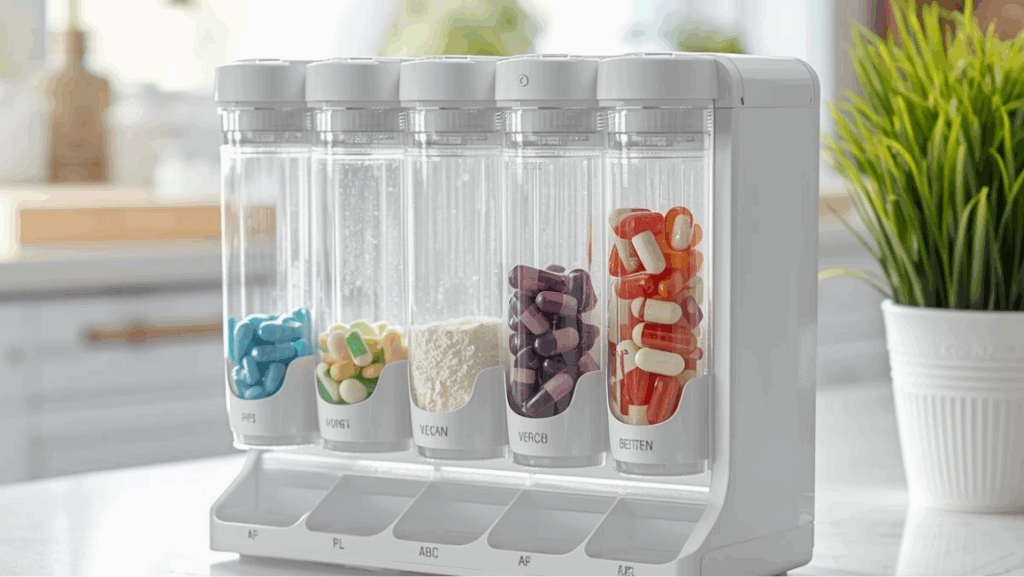
Modern technology and simple organizational tools can significantly improve medication adherence among home health patients. Here are practical strategies professionals and families can implement:
- Pill Dispensers and Weekly Organizers: Color-coded pillboxes and pre-filled blister packs simplify medication schedules for those managing multiple prescriptions. These devices reduce confusion and make refills easier to track.
- Reminder Systems and Digital Applications: Smartphone alarms, smartwatch reminders, or digital apps help patients remember their doses at prescribed times. Some apps even allow nurses to monitor adherence remotely.
- Simplified Medication Schedules: Physicians may consolidate doses or switch to long-acting formulations to reduce complexity. Home health nurses coordinate closely with medical teams to synchronize scheduling for optimal adherence.
- Patient Education Materials: Visual aids, handouts, and easy-to-read medication charts reinforce understanding. When patients grasp why a medication matters, they’re more likely to stick to it.
- Supportive Communication: Regular check-ins build motivation. Encouraging progress reports between nurses and patients helps maintain accountability and demonstrates real improvement over time.
The Link Between Adherence and Positive Health Outcomes
Consistent medication adherence leads to measurable improvements. Studies indicate that patients with strong adherence experience better symptom control, improved mobility, and fewer hospitalizations.
For chronic illnesses like hypertension, diabetes, or COPD, adherence maintains stability and prevents flare-ups. Post-surgical patients also benefit from reduced infection risks, faster wound healing, and smoother recovery when medications—such as antibiotics or pain relievers—are taken as directed.
Beyond recovery metrics, positive adherence habits contribute to emotional well-being. Patients who understand and manage their care feel more independent, confident, and in control of their health journey.
Family Involvement and Shared Responsibility

Medication management shouldn’t rest solely on the patient. Families, caregivers, and home health professionals all share accountability for ensuring success.
Family members can assist by:
- Monitoring refill schedules.
- Noting side effects or unusual behaviors.
- Reminding patients gently and supportively about doses.
Collaborating as a care team alleviates pressure on patients and promotes consistent medication routines. This shared accountability system lies at the heart of sustainable adherence.
Overcoming Common Adherence Challenges
Even with support, maintaining consistent medication routines can be difficult, especially among seniors dealing with multiple prescriptions or mental fatigue. The key lies in identifying patterns that lead to missed doses and applying practical solutions.
Forgetting to take medications?
Home health agencies often use scheduled visits and reminder apps to bridge memory gaps.
Worried about side effects?
Nurses monitor reactions closely, explain what’s normal and what’s not, and report concerning symptoms to the physician for timely adjustments.
Feeling overwhelmed by multiple medications?
Through collaboration with doctors and pharmacists, home health staff can simplify regimens to make them more manageable.
By proactively addressing these challenges, adherence becomes easier and safer for patients living at home.
Creating a Culture of Medication Safety at Home
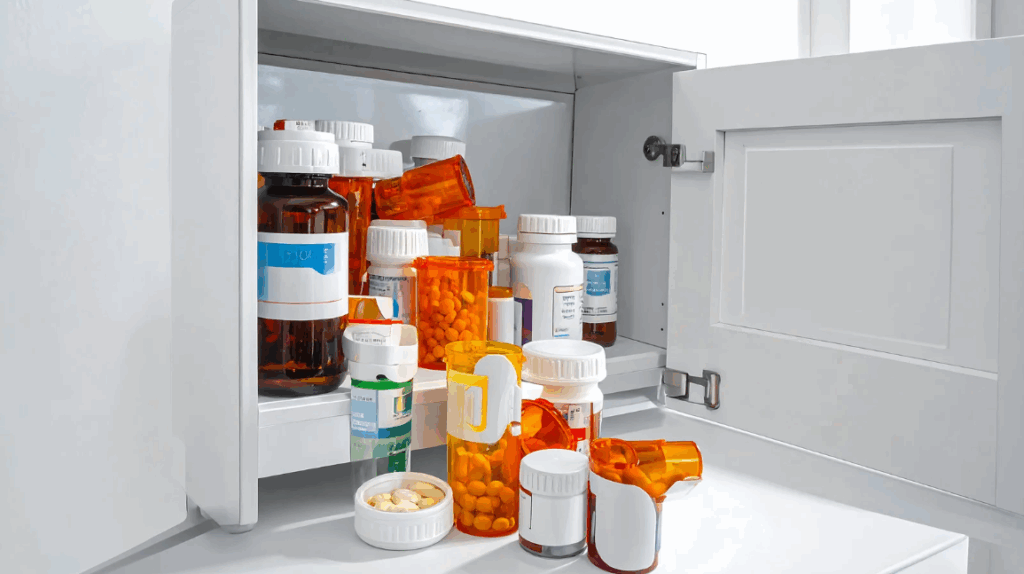
A safe medication environment involves more than just taking pills correctly. It includes proper storage, disposal, and awareness of interactions. Home health professionals teach patients and caregivers strategies such as:
- Keeping medications in clearly labeled containers.
- Storing them away from heat or moisture.
- Safely discarding expired or unused drugs.
Establishing safety routines prevents misuse and keeps household members safe, especially children or pets who might accidentally access medications.
Final Thoughts
Medication adherence is more than a routine—it’s a partnership between patients, caregivers, and healthcare professionals working together toward better outcomes. Through consistent education, monitoring, and empathy, home health care providers play a vital role in preventing complications and achieving optimal results.
At Genezen Home Health Care Services, Inc., we understand that every dose counts in the journey to recovery. Our skilled nurses specialize in medication management, ensuring accuracy, safety, and communication at every step. If your loved one needs personalized support to stay on track with their care plan, contact Genezen Home Health Care Services today—where compassion and clinical expertise work hand in hand to promote lasting health at home.