


Physical therapy (PT) is often associated with recovery after an injury, but there is much more to it than most people realize. From its fascinating history to the creative, personalized techniques used today, fun physical therapy facts reveal how PT blends science, movement, and human connection to support healing. These details show that physical therapy is not just about exercises—it is about restoring confidence, independence, and quality of life.
For patients of all ages, fun physical therapy facts can make the therapy experience feel less intimidating and more engaging. Whether you are recovering from surgery, managing a chronic condition, or simply curious about how your body works, understanding these insights can change how you view physical therapy. In this article, we’ll share surprising facts about physical therapy, explain how to know if you or a loved one may benefit from it, and explore why PT plays such an important role in long-term health and mobility.
Physical Therapy Basics
Before we dive into fun facts, it’s important to understand what physical therapy actually is. At its core, PT is a healthcare profession that focuses on evaluating, diagnosing, and treating movement disorders. Physical therapists are experts in how the human body moves, and they use this expertise to help patients restore function, reduce pain, and prevent further injury.
14 Fun Physical Therapy Facts Every Patient Should Know

Absolutely! Let’s expand each of the 14 fun facts with more explanation, historical context, and interesting tidbits so that the section becomes richer, engaging, and educational. This will help the article feel longer, more informative, and “sticky” for readers.
1. Physical therapy dates back to ancient times
The concept of using movement and exercise to heal the body is far from modern. In ancient Greece, physicians like Hippocrates prescribed massage, stretching, and hydrotherapy to treat injuries and improve mobility. Similarly, traditional Chinese medicine used therapeutic exercises, including forms of tai chi, to strengthen muscles and joints. Even in ancient Egypt, wall paintings depict people performing exercises that resemble early rehabilitation practices. These examples show that humans have long understood the connection between movement and health.
2. The profession officially started in the early 20th century
While ancient civilizations had movement-based therapies, physical therapy as a formal profession emerged during World War I and II. With large numbers of injured soldiers needing rehabilitation, specially trained professionals began working on restoring strength, mobility, and function. Early programs focused on manual therapy, massage, and exercise, setting the foundation for the modern PT field. This origin explains why PT has always been closely tied to injury recovery and post-trauma rehabilitation.
3. PT was originally considered a female-only profession
In the early 1900s, physical therapy was often seen as an extension of nursing, a field dominated by women. The profession’s caring, supportive nature and hands-on approach led many societies to encourage women to enter PT while men pursued other medical careers. Although gender roles have changed, this history reflects the empathetic, patient-centered focus that remains central to PT today.
4. Sweden’s “sjukgymnast”
In Sweden, a physical therapist is called a “sjukgymnast,” which literally means “medical gymnast.” This term emphasizes the profession’s dual focus on medical knowledge and physical exercise. Early Swedish physical therapists often incorporated gymnastics-like exercises into patient care to improve strength, flexibility, and coordination. This fun trivia highlights how PT combines science and movement in creative ways.
5. Physical therapists are movement experts
Physical therapists spend years learning the science of how our bodies move, studying anatomy, physiology, biomechanics, and exercise science. They analyze posture, gait, and joint mechanics to create customized programs. By understanding movement so deeply, PTs can identify imbalances or weaknesses that may lead to pain or injury long before symptoms appear. Essentially, they are detectives for the human body, solving problems one joint, muscle, or motion at a time.
6. PT is not just exercise
Although exercises are a big part of physical therapy, PT goes far beyond simple stretching or strengthening routines. Therapists use manual therapy techniques like massage or joint mobilization to reduce pain. Other tools include electrical stimulation, ultrasound, hydrotherapy, and heat or cold therapy, all designed to enhance recovery and relieve discomfort. These diverse methods show that PT is a multifaceted science that combines hands-on care with innovative techniques.
7. PT can prevent surgery
One of the most powerful benefits of physical therapy is that it can sometimes eliminate the need for surgery. By strengthening muscles, improving joint mobility, and correcting movement patterns, patients can alleviate pain and restore function. For conditions like back pain, knee osteoarthritis, or rotator cuff injuries, PT may be just as effective as surgical intervention—but with fewer risks and a faster, more natural recovery.
8. Sports stars rely on PT
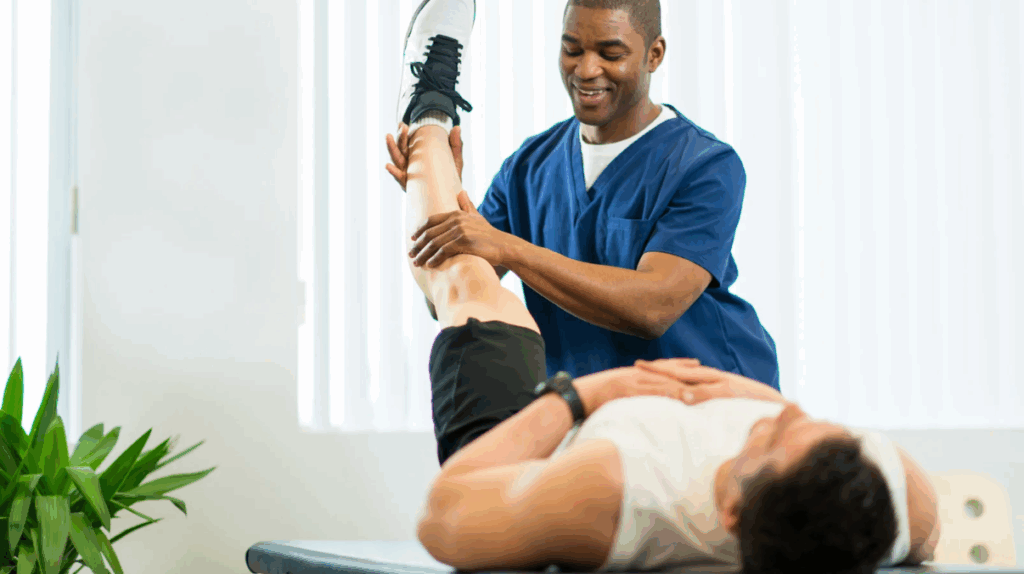
Physical therapy is not just for recovery—it’s a performance tool. Professional athletes from football players to Olympic swimmers often have personal physical therapists to optimize performance, prevent injuries, and ensure faster recovery after training or competition. PT techniques like dynamic stretching, balance training, and specialized strengthening exercises can give athletes an edge, proving that PT is essential not only for healing but also for peak performance.
9. Physical therapy improves mental health
Movement has a profound impact on the mind. Physical therapy programs often include exercises that release endorphins, the body’s natural mood boosters. This can reduce stress, anxiety, and depression, especially for patients coping with chronic pain or long-term immobility. Some therapists even incorporate mind-body exercises like yoga or Pilates, combining physical rehabilitation with relaxation and mindfulness, highlighting how PT supports both mental and physical wellness.
10. PT is highly personalized
No two patients are the same, and PT recognizes this fully. Programs are designed considering age, medical history, fitness level, and individual goals. A young athlete recovering from an ACL injury will have a completely different plan than an elderly adult regaining mobility after a hip replacement. This individualized care ensures optimal recovery, fewer complications, and better adherence, making PT both effective and patient-friendly.
11. Technology is advancing PT
Modern physical therapy is embracing exciting technological advancements. Virtual reality (VR) simulations, robotic-assisted devices, and wearable sensors can track progress in real-time, guide exercises, and make therapy more interactive. For example, VR-based balance games help patients recovering from strokes or vestibular disorders retrain their movement in a fun, controlled environment. These innovations demonstrate how PT is evolving to be more precise, data-driven, and engaging.
12. PT can be fun
Despite its medical focus, physical therapy doesn’t have to feel like a chore. Therapists often use games, balance challenges, obstacle courses, and aquatic exercises to make sessions more enjoyable. For children, playful activities may involve balloons, hoops, or hopping exercises, while adults might engage in dance-inspired routines or treadmill games. This element of fun not only keeps patients motivated but also enhances recovery outcomes.
13. PT can help chronic conditions
While many people think of PT for acute injuries, it plays a crucial role in managing long-term health conditions. Patients with arthritis, Parkinson’s disease, multiple sclerosis, or post-stroke complications benefit from tailored exercise programs that improve strength, flexibility, balance, and coordination. PT can slow disease progression, reduce pain, and help patients maintain independence, making it an essential tool in chronic care management.
14. Physical therapy is everywhere
Finally, physical therapy is no longer limited to hospitals or clinics. PT services are available in schools, gyms, workplaces, sports centers, and even patients’ homes. Home-based physical therapy, in particular, allows patients with mobility issues, post-surgery needs, or chronic conditions to receive personalized care without leaving their house. This accessibility highlights PT’s flexibility and commitment to helping people move safely wherever they are.
Signs You or Your Loved One May Need Physical Therapy

Knowing when to seek physical therapy is just as important as understanding its benefits. You or a loved one may need PT if you experience:
- Persistent pain that doesn’t improve with rest or medication.
- Difficulty walking, climbing stairs, or balancing, which may indicate muscle weakness or joint issues.
- Post-surgery rehabilitation to restore strength and mobility.
- Reduced range of motion or stiffness in joints and muscles.
- Chronic conditions, such as arthritis, neurological disorders, or heart disease, impacting daily life.
Early intervention is crucial. The sooner a physical therapist evaluates movement problems, the faster recovery can begin and the lower the risk of complications.
Conclusion
Physical therapy is more than just a healthcare service—it’s a fascinating, versatile, and empowering profession that has been helping people move better for thousands of years. From its ancient roots to cutting-edge modern technology, PT is full of surprising facts that show how essential movement is for our overall well-being.
If you or a loved one experience pain, limited mobility, or want to prevent injury, physical therapy is a proven solution that can improve your quality of life, enhance strength, and boost mental health. And with trusted providers like Genezen Home Health Care, you can access personalized, home-based PT that fits your lifestyle.Your journey to stronger, healthier, and happier movement starts today. Don’t wait—contact us and take the first step toward better mobility, less pain, and a more active life.