

Sciatica affects millions worldwide, causing pain that can range from a dull ache in the lower back to sharp, radiating discomfort down the legs. This nerve pain often makes everyday activities—like walking, sitting, or climbing stairs—challenging and frustrating.
One of the most effective ways to address these symptoms is through physical therapy treatment of sciatica. By targeting the root causes of nerve irritation, this approach can help improve mobility, reduce pain, and support a more active, independent lifestyle. In this article, we’ll explore what sciatica is, its common causes and symptoms, and how a structured physical therapy plan can make a meaningful difference in daily life.
What Is Sciatica?
Sciatica is not a diagnosis itself but rather a symptom of an underlying condition that irritates the sciatic nerve. This nerve originates in the lower back, travels through the hips and buttocks, and runs down each leg. When it becomes compressed, inflammation, pain, and sometimes numbness or tingling can occur.
Common causes of sciatica include:
- Herniated or bulging discs: When spinal discs protrude, they can press on the sciatic nerve.
- Spinal stenosis: Narrowing of the spinal canal can compress nerves.
- Muscle imbalances: Tight muscles in the lower back, hips, or legs can put pressure on the nerve.
- Injury or trauma: Falls, accidents, or sudden movements can trigger sciatica.
- Degenerative conditions: Age-related changes in the spine may lead to nerve irritation.
Sciatica can affect anyone but is most common in adults between 30 and 50 years old. Risk factors include prolonged sitting, obesity, diabetes, and physically demanding jobs.
Recognizing the Symptoms of Sciatica
The symptoms of sciatica can vary depending on the location and severity of nerve compression. Common signs include:
- Sharp, shooting pain that radiates from the lower back to the leg
- Numbness or tingling in the leg or foot
- Muscle weakness in the affected leg
- Difficulty walking or standing for long periods
- Pain that worsens when sitting, sneezing, or coughing
Understanding the symptoms early and seeking proper care can prevent long-term nerve damage and improve recovery outcomes.
How Is Sciatica Diagnosed?
Diagnosis involves a thorough physical examination, where a healthcare professional assesses reflexes, muscle strength, and sensory function. Special tests such as the crossed straight leg test can help identify nerve root irritation.
Imaging studies like MRI and CT scans are essential for visualizing herniated discs, spinal stenosis, or other structural abnormalities. Differentiating sciatic pain from other conditions, such as vascular or muscular issues, is crucial for effective treatment planning.
Physical Therapy Treatment of Sciatica

Physical therapy is a cornerstone of non-invasive sciatica management. Physical therapy treatment for sciatica aims to relieve pain, restore mobility, and strengthen muscles that support the spine and lower body. The benefits of a structured physical therapy program include:
- Reducing inflammation and nerve irritation
- Improving core strength and flexibility
- Enhancing posture and movement mechanics
- Reducing reliance on medications or invasive procedures
- Preventing future episodes of sciatica
When to Seek Physical Therapy for Sciatica
Signs indicating the need for professional intervention include persistent pain, weakness, or numbness, especially if symptoms last longer than a few days or worsen over time. Early engagement with a healthcare professional, such as a physical therapist, can optimize recovery.
Timing is critical; initiating therapy soon after diagnosis can prevent chronicity and facilitate a quicker return to normal activities.
Core Components of Physical Therapy for Sciatica
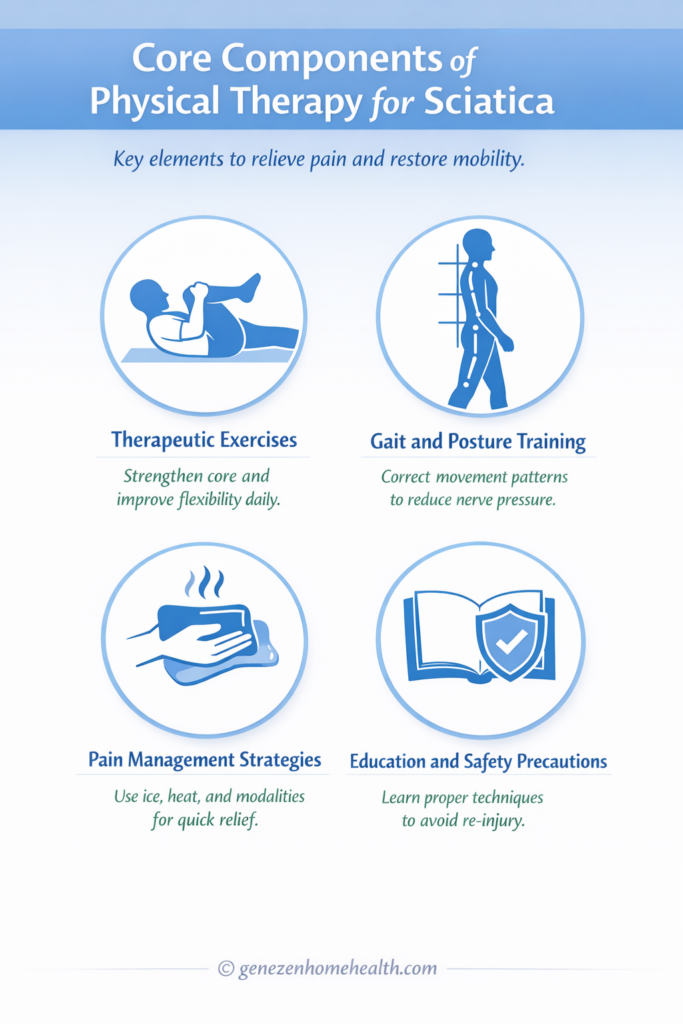
Effective physical therapy for sciatica focuses on a combination of exercises, movement training, pain relief strategies, and patient education to restore function and reduce discomfort.
1. Therapeutic Exercises
Exercise is the foundation of physical therapy for sciatica. A licensed therapist will develop a customized exercise plan targeting:
- Core muscles: Strengthening abdominal and lower back muscles provides stability for the spine.
- Hip and leg muscles: Stretching and strengthening these muscles can reduce tension on the sciatic nerve.
- Hamstrings and glutes: Tight hamstrings or weak glutes can contribute to nerve compression.
Exercises may include gentle stretches, strengthening routines, and low-impact movements like swimming or stationary cycling.
2. Gait and Posture Training
Improper walking or standing patterns can exacerbate sciatica. Physical therapists assess posture and gait, teaching techniques to:
- Stand and walk with proper alignment
- Distribute weight evenly
- Reduce unnecessary strain on the lower back and legs
Correcting movement patterns is especially important for those with chronic sciatica or postural imbalances.
3. Pain Management Strategies
Therapists use various techniques to manage pain while promoting healing:
- Manual therapy: Gentle mobilization or soft tissue massage to reduce tension
- Heat and cold therapy: Temporary relief for muscle soreness and inflammation
- Activity modification: Guidance on movements to avoid aggravating the sciatic nerve
Pain management in physical therapy focuses on reducing discomfort without relying solely on medications.
4. Education and Safety Precautions
Education is a critical aspect of recovery. Patients learn how to:
- Move safely during daily activities
- Lift and bend without putting pressure on the nerve
- Recognize triggers that worsen pain
- Establish long-term habits to prevent re-injury
Knowledge empowers patients to take control of their recovery and reduce the risk of recurrence.
Supporting Recovery at Home
Physical therapy is most effective when paired with at-home care strategies. Patients can support recovery by:
- Maintaining proper posture: Sit and stand with your spine aligned, shoulders relaxed, and weight evenly distributed. Avoid slouching, leaning forward for long periods, or crossing your legs for too long, as these positions can increase pressure on the lower back and sciatic nerve.
- Incorporating gentle movement: Short daily walks, light stretching, or low-impact exercises keep muscles flexible and joints mobile. Movement improves circulation, reduces stiffness, and helps nerves recover without overloading the spine.
- Avoiding prolonged sitting or heavy lifting: Long periods of sitting can worsen sciatic pain, so take frequent breaks to stand or walk. Be cautious with lifting—bend at the knees, keep objects close to your body, and avoid twisting your back.
- Following therapy exercises consistently: Your physical therapist designs exercises specifically for your condition. Doing them regularly, even in small doses, strengthens supporting muscles, relieves pressure on the sciatic nerve, and accelerates healing.
These simple adjustments, combined with professional guidance, can accelerate recovery and improve overall function.
Lifestyle Considerations for Sciatica Relief
Beyond exercise, lifestyle changes can help manage sciatica:
- Weight management: Maintaining a healthy weight reduces stress on the spine
- Ergonomic work setup: Proper desk and chair alignment prevents unnecessary strain
- Regular physical activity: Low-impact exercises support flexibility and strength
- Stress management: Stress can exacerbate muscle tension and pain
Adopting healthy habits creates a supportive environment for recovery and reduces the likelihood of future flare-ups.
Prevention and Long-Term Management
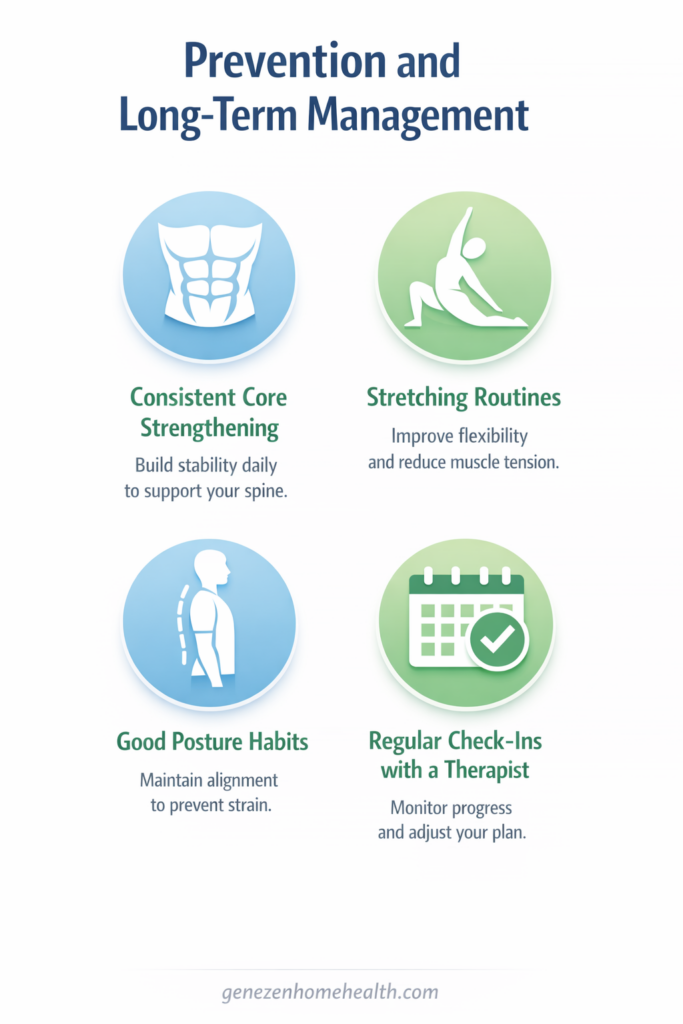
Even after recovery, preventing sciatica from returning is essential. Tips for long-term management include:
- Consistent core strengthening: Maintain spine stability and support
- Stretching routines: Keep hamstrings, glutes, and lower back muscles flexible
- Good posture habits: Avoid prolonged slouching or improper lifting
- Regular check-ins with a therapist: Periodic assessments ensure proper technique and alignment
By integrating these habits into daily life, individuals can maintain mobility and reduce the risk of chronic pain.
Who Can Benefit from Physical Therapy for Sciatica?
Physical therapy is beneficial for a wide range of people:
- Adults experiencing lower back or leg pain
- Individuals recovering from spinal surgery or injuries
- Seniors with age-related nerve or mobility challenges
- Anyone experiencing recurring or chronic sciatica
Early intervention can reduce the severity of symptoms and improve overall outcomes.
Conclusion
Sciatica can be challenging, but physical therapy treatment for sciatica offers a structured, evidence-based path to recovery. Through targeted exercises, gait training, pain management, and education, patients can regain mobility, reduce pain, and prevent future episodes.
For those who may have difficulty traveling to a clinic, home-based physical therapy from licensed professionals provides an effective and safe solution. At Genezen Home Health Care Services, Inc., patients receive personalized care in the comfort of their home, focusing on functional improvement, independence, and overall quality of life. Reach out to us today!