

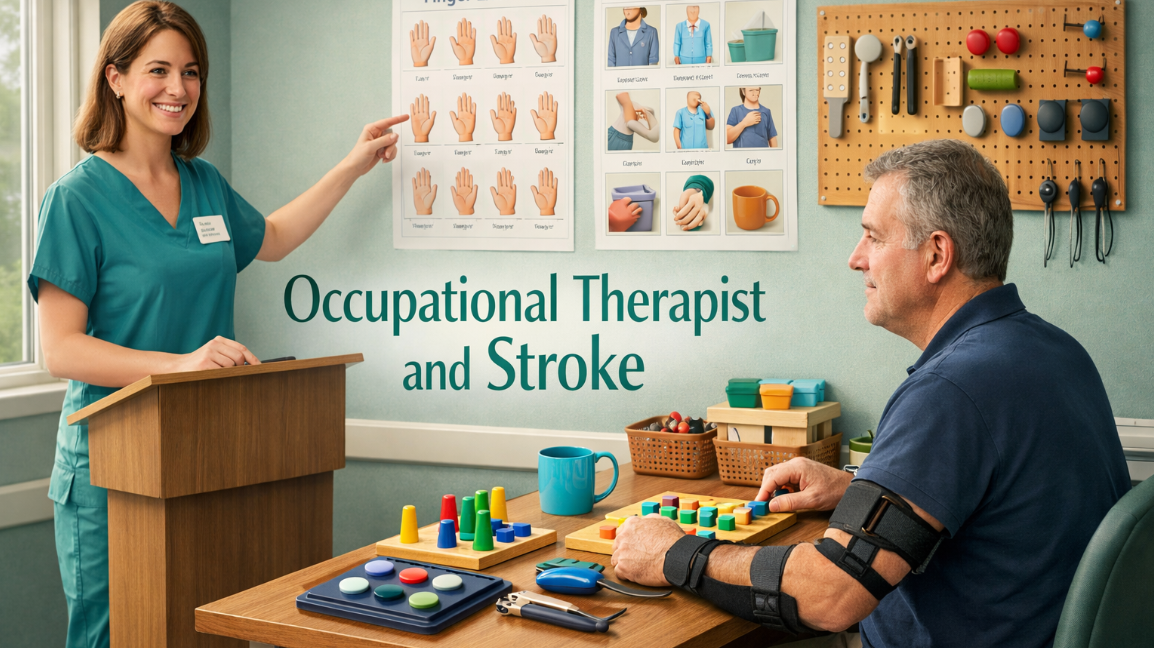
A stroke can dramatically change a person’s life, impacting movement, thinking, and the ability to handle everyday tasks. Even simple activities like dressing, cooking, or brushing teeth can become difficult and frustrating. This is where an occupational therapist and stroke rehabilitation can make a real difference.
An occupational therapist and stroke program helps survivors rebuild independence and confidence through personalized care. Therapy focuses on restoring essential daily skills, improving coordination, and supporting cognitive and emotional recovery.
This article highlights how an occupational therapist and stroke recovery plan works, the benefits of therapy, and practical strategies that can help stroke survivors regain control of their daily lives.
Stroke and Its Impact
A stroke occurs when blood flow to the brain is interrupted, either due to a blockage (ischemic stroke) or bleeding in the brain (hemorrhagic stroke). Ischemic strokes happen when a clot or plaque obstructs a blood vessel, while hemorrhagic strokes result from a burst blood vessel, causing bleeding in the brain.
Both types of stroke can damage brain cells, leading to a wide range of functional impairments. The severity and location of the stroke determine which abilities are affected and how recovery progresses. Prompt medical attention is critical to minimize long-term damage and support rehabilitation.
Common effects of stroke include:
- Weakness or paralysis – often on one side of the body, affecting mobility and daily tasks
- Difficulty with coordination and fine motor skills – making tasks like writing, dressing, or eating challenging
- Memory, attention, and planning challenges – impacting decision-making, focus, and organization
- Emotional and behavioral changes – including depression, anxiety, frustration, or mood swings
Impact on daily activities and independence:
- Challenges with basic self-care, such as dressing, bathing, and grooming
- Difficulty performing household tasks like cooking or cleaning
- Reduced ability to manage medications or finances independently
- Limitations in returning to work, hobbies, or social activities
What Is Occupational Therapy?
Occupational therapy is a type of healthcare that helps people regain the skills they need to participate in everyday life after an illness, injury, or stroke. It focuses on improving the ability to perform meaningful activities, from self-care tasks to household routines. Occupational therapists work closely with patients to create personalized strategies that address both physical and cognitive challenges.
The primary goal of occupational therapy is to help patients perform daily activities safely, efficiently, and independently. This includes tasks such as dressing, cooking, bathing, or managing medications. By restoring these skills, occupational therapy enhances overall quality of life and promotes confidence in daily living.
How occupational therapy differs from physical therapy:
- Occupational therapy focuses on practical, daily-life skills and functional independence.
- Physical therapy primarily targets strength, mobility, balance, and overall physical function.
- Occupational therapists may incorporate physical exercises, but always with the goal of improving performance in real-life activities.
The Role of Occupational Therapists in Stroke Recovery
Occupational therapists play a central role in stroke rehabilitation. Their work is highly individualized, adapting to each patient’s strengths, limitations, and personal goals. Key aspects of stroke-focused occupational therapy include:
- Evaluating abilities and limitations: Therapists assess muscle strength, range of motion, coordination, cognitive function, and emotional well-being to design effective treatment plans.
- Relearning daily activities: Therapy often focuses on essential tasks such as dressing, bathing, grooming, preparing meals, and safely moving around the home.
- Improving hand-eye coordination and fine motor skills: Exercises may target grasp, pinch, and dexterity to restore independence in activities like writing or using utensils.
- Cognitive rehabilitation: Occupational therapists help patients regain attention, memory, problem-solving, and organizational skills, often through structured exercises and real-life task practice.
- Home-based care benefits: Many stroke survivors recover best in the familiar environment of their own home, where therapy is directly applicable to the tasks they need to perform daily.
Through these interventions, occupational therapists guide stroke survivors step by step, building both functional skills and confidence.
Occupational Therapist and Stroke: Who Can Benefit from the Therapy
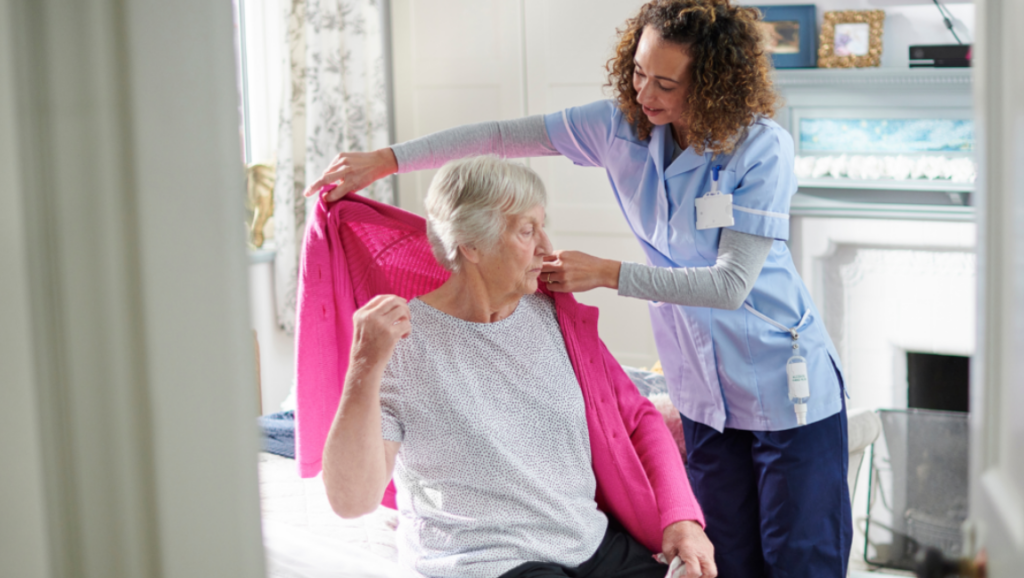
Occupational therapy is beneficial for a wide range of stroke survivors, including:
- Elderly patients who may face age-related mobility challenges alongside stroke effects.
- Individuals recently discharged from the hospital who need support transitioning back to home life.
- Patients with mobility or cognitive limitations who require structured guidance to regain independence.
- Caregivers who need training and strategies to safely support their loved ones at home.
Regardless of age or severity of the stroke, therapy is tailored to each person’s needs, helping them regain the ability to perform everyday activities with greater independence.
Finding the Right Occupational Therapist: Why Fit Matters for Stroke Recovery
Choosing the right occupational therapist can make a significant difference in the stroke recovery journey. A strong therapist-patient relationship enhances motivation, engagement, and outcomes.
Key Points to Consider:
- Experience Matters: Look for a therapist with specific experience in stroke rehabilitation.
- Clear Communication: A therapist who explains exercises and daily tasks in an understandable way helps patients follow therapy effectively.
- Comfort and Rapport: Feeling at ease with the therapist encourages persistence, even when exercises are challenging.
- Flexibility: The therapist should tailor sessions and interventions to the patient’s home environment and individual needs.
- Patient and Caregiver Fit: A good fit ensures therapy is collaborative, positive, and empowering, supporting faster and more confident recovery.
Typical Occupational Therapy Interventions for Stroke Survivors
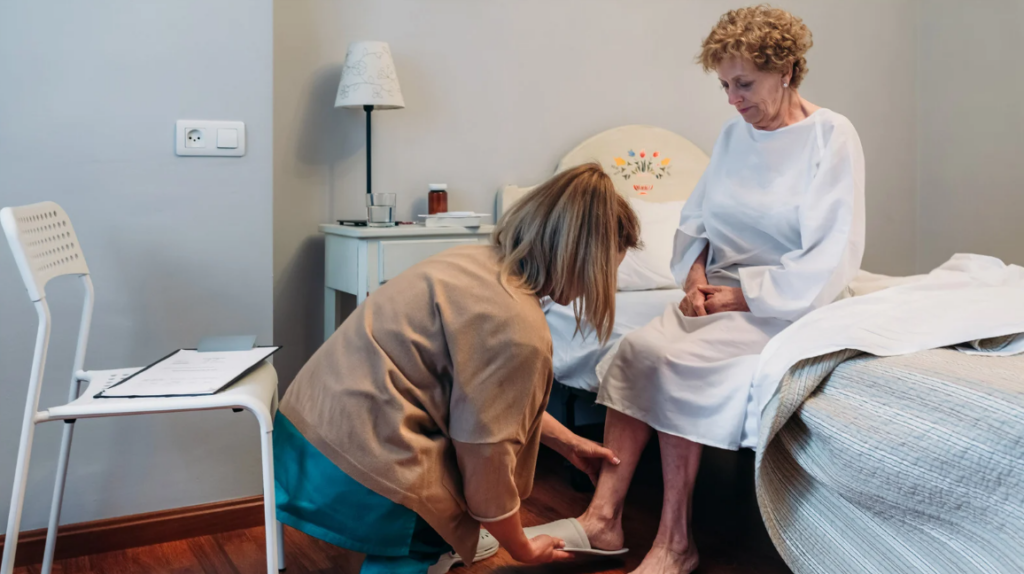
Occupational therapists employ a variety of interventions to support stroke recovery. These interventions are often combined to address both physical and cognitive challenges:
- Task-specific training: Patients practice meaningful activities such as dressing, cooking, grooming, and cleaning under therapist supervision.
- Adaptive equipment: Therapists recommend tools like grab bars, dressing aids, utensils with modified grips, or specialized chairs to enhance safety and independence.
- Strength, balance, and coordination exercises: These exercises help restore mobility, improve posture, and increase endurance for daily activities.
- Cognitive exercises: Patients engage in memory, attention, and problem-solving tasks that mirror real-life situations.
- Energy conservation strategies: Therapists teach pacing, task sequencing, and prioritization techniques to reduce fatigue and improve daily functioning.
By combining these strategies, occupational therapists ensure stroke survivors are equipped to safely and efficiently navigate their homes and communities.
Measuring Progress and Setting Goals
Progress in stroke rehabilitation is highly individualized. Occupational therapists use a variety of tools and assessments to monitor improvement, including:
- Functional independence measures: These assessments track a patient’s ability to perform essential daily activities.
- Goal-setting: Short-term goals provide achievable milestones, while long-term goals focus on regaining independence and quality of life.
- Patient-centered planning: Therapists collaborate with patients and caregivers to ensure therapy aligns with personal priorities and home routines.
Regular assessment and goal review allow therapists to adjust interventions as needed, ensuring that therapy remains effective and meaningful throughout the recovery process.
Challenges and Considerations in Stroke Occupational Therapy

Stroke recovery is rarely linear, and patients may face challenges along the way. Fatigue, frustration, and fluctuating motivation are common, particularly when progress seems slow. Cognitive impairments and emotional changes can also complicate rehabilitation.
Occupational therapists address these challenges by:
- Adapting therapy sessions to patient endurance and attention span
- Providing encouragement and emotional support
- Adjusting exercises and tasks to maintain engagement and confidence
- Ensuring safety during all activities, both in the clinic and at home
Understanding these potential obstacles allows therapists to provide practical, realistic, and patient-centered care that maximizes outcomes.
Final Thoughts
Recovering from a stroke is a journey that requires time, patience, and specialized support. Occupational therapists are integral to this process, helping patients regain the ability to perform everyday activities, restore independence, and improve overall quality of life.
Home-based occupational therapy is particularly valuable for stroke survivors, as it allows therapy to be tailored to the patient’s actual living environment. Practicing tasks where they naturally occur makes recovery more relevant, efficient, and effective.
If you or a loved one is recovering from a stroke, Genezen Home Health Care Services offers professional occupational therapy in the comfort of your home. Our board-certified therapists guide each step of the recovery process, providing personalized interventions designed to help patients regain independence and confidence. Contact us today to learn how we can support your stroke rehabilitation journey.