


Ligament injuries are some of the most common musculoskeletal problems, whether you’re an athlete who twisted a knee, a parent who stepped off a curb wrong, or an older adult who slipped at home. Because ligaments are essential for joint stability, even a mild injury can affect mobility, balance, and everyday activities. Many people assume ligament injuries heal on their own, but without proper rehabilitation, they can lead to chronic instability, recurring pain, and long-term joint issues.
Physical therapy for ligament injury is the top-recommended treatment. It supports proper healing, rebuilds strength, restores stability, and helps you regain confidence in movement. In this guide, we’ll cover everything you need to know—what ligament injuries are, how they happen, key symptoms, and how physical therapy for ligament injury accelerates recovery while preventing future injuries.
Ligament Damage and Its Impact on Joint Stability
Ligaments are strong, fibrous connective tissues that connect one bone to another. They act as stabilizers for your joints, keeping them aligned and controlling excessive movement. When a ligament is stretched beyond its capacity—due to a sudden force, awkward motion, or repeated stress—it can become damaged.
A ligament injury (also known as a sprain) occurs when the tissue fibers stretch or tear. This may vary from microscopic tears to complete ruptures. Because ligaments have limited blood supply compared to muscles, they heal slowly, and healing without proper guidance often leads to long-term problems.
Understanding how ligament injuries affect your body helps set realistic expectations for recovery. An injured ligament can lead to joint looseness, weakness, impaired balance, and difficulty performing daily tasks such as walking, climbing stairs, or lifting objects.
Common Categories of Ligament Damage You Should Know
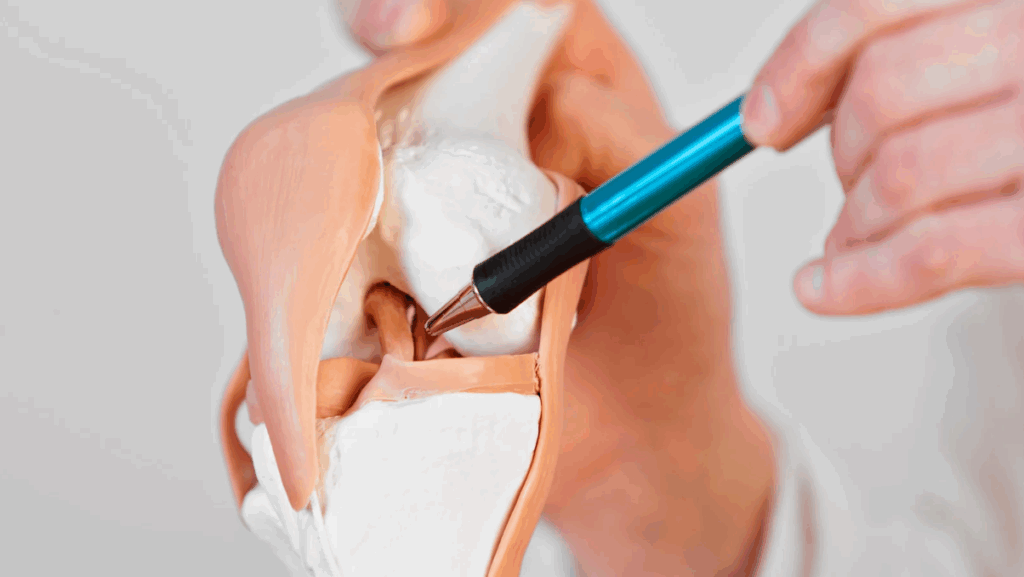
Ligament injuries vary depending on the joint involved and the force of the injury. Here are some of the most common types:
Knee Ligament Injuries
- ACL (Anterior Cruciate Ligament): Often injured during sudden stops, pivots, or jumps.
- MCL (Medial Collateral Ligament): Usually damaged from direct impact to the outside of the knee.
- LCL and PCL: Less common but often due to major trauma.
Ankle Ligament Injuries
- ATFL (Anterior Talofibular Ligament): Most commonly injured in ankle sprains.
- CFL (Calcaneofibular Ligament): Damaged with more severe sprains.
Shoulder Ligament Injuries
- AC joint ligament sprains from falls or heavy lifting.
Wrist and Thumb Ligaments
- Scapholunate ligament tears and UCL injuries from falls or sports.
Elbow Ligament Injuries
- UCL (ulnar collateral ligament) injuries common in throwing athletes.
Ligament Injury Grades
Ligament injuries are categorized by severity:
- Grade I: Mild stretching or microscopic tearing. Pain and swelling are present but stability is mostly intact. Healing is quicker with proper care.
- Grade II: Partial tear. You may experience moderate swelling, reduced mobility, and noticeable joint instability. This requires structured rehabilitation.
- Grade III: Complete tear. The joint becomes unstable, and surgery may be needed, followed by physical therapy.
Understanding the grade of injury helps determine the best treatment approach and expected recovery timeline.
Why Ligament Injuries Happen and the Signs You Shouldn’t Ignore

Most people want to know: How did this happen? What am I feeling? Is this serious?
Let’s break it down.
Causes of Ligament Injuries
Ligament injuries can happen in several ways:
- Sudden pivoting or twisting: Common in basketball, soccer, or quick directional movements.
- Incorrect landing mechanics: Jumping and landing awkwardly can overload ligaments.
- Falls and collisions: Everyday accidents or sports contact may stretch or tear ligaments.
- Repetitive strain: Overuse from work or activities that repeatedly stress a joint.
- Weak muscles: Poor support around the joint increases the risk of overstretching ligaments.
- Poor movement patterns: Incorrect posture or biomechanics during exercise or daily tasks.
Symptoms of Ligament Injuries
Symptoms vary depending on severity, but common signs include:
- Sharp or aching pain around the joint
- Swelling and inflammation
- Bruising
- Joint instability or a “giving way” feeling
- Difficulty bearing weight or moving the joint
- Reduced range of motion
- A popping sound at the time of injury (especially in ACL injuries)
If symptoms persist beyond 48 hours or worsen, it’s important to seek medical evaluation.
How Do Ligament Injuries Occur?
Ligaments tear when excessive force is placed on a joint faster than the ligament can stabilize it. Common mechanisms include:
- Non-contact forces such as sudden pivoting or stopping
- Direct trauma such as falls or impact during sports
- Overextension from reaching too far or overstretching
- Muscle fatigue causing poor joint control
- Poor coordination or balance during activity
Ligaments heal slowly because they lack rich blood supply, which means inflammation, pain, and instability may linger without proper treatment.
Risk factors include previous injury, inadequate warm-up routines, weak stabilizing muscles, improper footwear, and age-related changes in ligament elasticity.
Understanding why the injury occurred is key to preventing it from happening again.
Top Treatment Solution: Physical Therapy for Ligament Injury
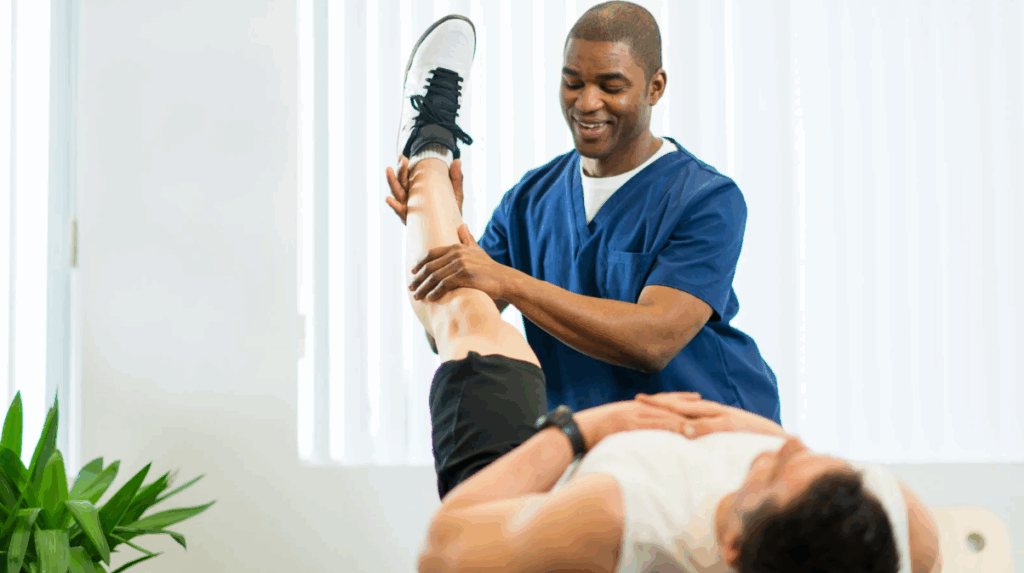
Physical therapy is the gold standard for ligament healing and long-term recovery. While rest may reduce pain initially, it doesn’t rebuild strength or restore stability—two critical components for preventing reinjury.
Physical therapy helps you move better, recover faster, and regain confidence in your daily activities. This is especially important for athletes, active adults, and seniors who need joint stability for safe movement.
With a structured and progressive physical therapy plan, you can prevent chronic instability, early-onset arthritis, and long-term mobility limitations.
How Can Physical Therapy for Ligament Injury Help
Physical therapy supports ligament healing through multiple scientifically backed methods:
1. Restoring Mobility
PT includes gentle movements and stretching to prevent stiffness, maintain joint alignment, and promote circulation.
2. Reducing Pain and Swelling
Modalities such as:
- Manual therapy
- Ice/heat therapy
- Electrical stimulation
- Compression techniques help decrease inflammation and manage pain.
3. Strengthening Supporting Muscles
Strong muscles protect the injured ligament from further stress. Physical therapists target key stabilizers around the injured joint—such as quadriceps, hamstrings, calves, hip muscles, and core muscles.
4. Rebuilding Stability & Balance
Ligament injuries often impair proprioception (your body’s ability to sense movement). PT retrains this through:
- Balance training
- Single-leg stability work
- Coordination exercises
5. Correcting Movement Patterns
Therapists help you adjust posture, gait, and movement mechanics to reduce strain on the healing ligament.
6. Gradually Increasing Load
Ligaments get stronger when challenged correctly. PT uses progressive exercises to safely load the tissue, building resilience.
7. Preventing Reinjury
A tailored physical therapy plan reduces future injury risk by improving:
- Strength
- Flexibility
- Coordination
- Joint control
Physical Therapy Exercises for Ligament Injury Recovery

Physical therapy exercises vary depending on injury severity and healing stage. Here’s a general progression:
1. Early Phase (Pain & Inflammation Control)
Focus: gentle movement, pain control, swelling reduction.
Exercises include:
- Heel slides
- Ankle pumps
- Isometric quad or glute sets
- Gentle assisted stretches
- Light range-of-motion drills
The goal is to maintain movement while protecting the ligament.
2. Middle Phase (Strength, Stability & Control)
Focus: strengthening muscles around the injured joint.
Exercises may include:
- Mini squats
- Step-ups
- Resistance band exercises
- Hip abductor strengthening
- Core stabilization exercises
- Glute bridges
This phase builds stability and joint control.
3. Advanced Phase (Return to Function & Reinjury Prevention)
Focus: restoring agility, balance, and dynamic movement.
Exercises include:
- Single-leg balance with movement
- Plyometric drills (for active individuals)
- Agility ladders
- Jump training
- Sport-specific conditioning
- Functional movement patterns such as lifting or directional changes
This phase ensures the ligament—and the surrounding muscles—can handle real-life activities safely.
It’s important to remember that every ligament injury is unique, and exercise progression should be individualized. You should ask your physical therapist before starting or advancing any exercise, as they will assess your specific injury, monitor your response, and adjust intensity or technique to ensure safety.
Your physical therapist is the one best equipped to guide you through each phase, provide hands-on corrections, and recommend modifications to prevent setbacks while optimizing recovery.
Other Treatment Solutions

While physical therapy is the primary solution, complementary treatments may support recovery:
1. RICE Method
Rest, Ice, Compression, and Elevation (RICE) during the first 24–48 hours after injury can significantly reduce swelling and inflammation. Rest prevents further strain, ice limits tissue damage, compression controls swelling, and elevation promotes fluid drainage, all of which create a better environment for healing.
2. Bracing or Taping
Bracing or taping provides additional support to the injured joint, helping prevent excessive movement that could worsen the ligament damage. It also allows patients to safely perform gentle exercises or daily activities while protecting the ligament during early recovery.
3. Medications
Nonsteroidal anti-inflammatory drugs (NSAIDs) can relieve pain and reduce inflammation associated with ligament injuries. When used responsibly and for short periods, they help patients engage in physical therapy more comfortably and maintain mobility without causing additional strain.
4. Injections
Platelet-rich plasma (PRP) or corticosteroid injections may be considered in specific cases to accelerate healing or reduce persistent inflammation. PRP uses growth factors from the patient’s own blood to support tissue repair, while corticosteroids help decrease pain and swelling, especially in chronic or severe injuries.
5. Surgery
Surgical repair is sometimes necessary for severe Grade III ligament tears, such as complete ACL or UCL ruptures, especially when stability cannot be restored conservatively. Post-surgery, physical therapy is crucial to regain strength, restore range of motion, and ensure the joint functions properly without risk of re-injury.
6. Home Care
Following proper home care strategies is essential for supporting the ligament’s healing process. This includes rest, safe movement patterns, wearing supportive footwear, applying ice or heat when appropriate, and strictly following the physical therapist’s instructions to prevent setbacks or chronic instability.
Your Recovery Roadmap
Recovering from a ligament injury requires more than rest—it requires a structured, scientifically grounded rehabilitation plan. Physical therapy restores mobility, rebuilds strength, and reestablishes joint stability so you can return to your routines without fear of reinjury. The earlier you start guided rehabilitation, the better your outcome will be.
If you want expert physical therapy delivered with compassion and convenience, Genezen Home Health Care Service is here to support your healing journey. Their licensed physical therapists provide personalized, at-home rehabilitation programs tailored to your injury, mobility goals, and safety needs. With Genezen, you receive high-quality care that helps you regain independence, restore confidence, and return to the activities you love—all from the comfort of your home.